Stay up to date with the latest discoveries, promising therapies, and scientific advances in motor neurone disease. The FightMND Scientific Seminar Series is your opportunity to engage with world-class experts and the broader MND research community.
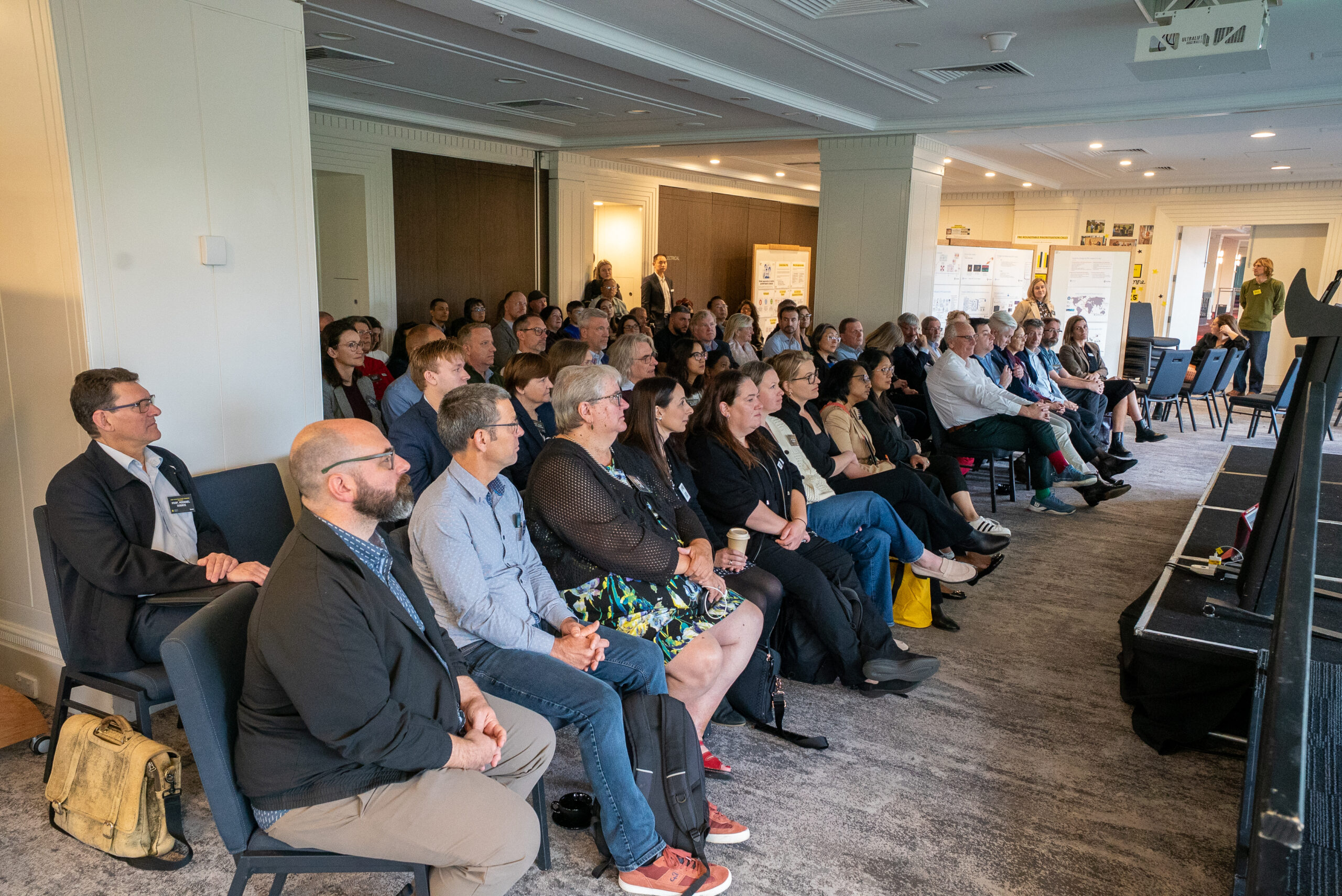
The FightMND Scientific Seminar Series is a monthly online event highlighting the latest research and developments in motor neurone disease (MND). Each session features national experts and emerging leaders presenting innovative methods, breakthroughs, and insights into disease mechanisms and potential therapies.
Designed for researchers, clinicians, students, healthcare professionals, and anyone with a personal connection to MND, the seminars foster collaboration and dialogue across the research community.
Join us to access world-class expertise, stay updated on recent advances, and connect with a network committed to advancing treatments and working toward a cure for MND.
Tuesday, June 30, 2026, 12pm AEST
Upcoming Seminar
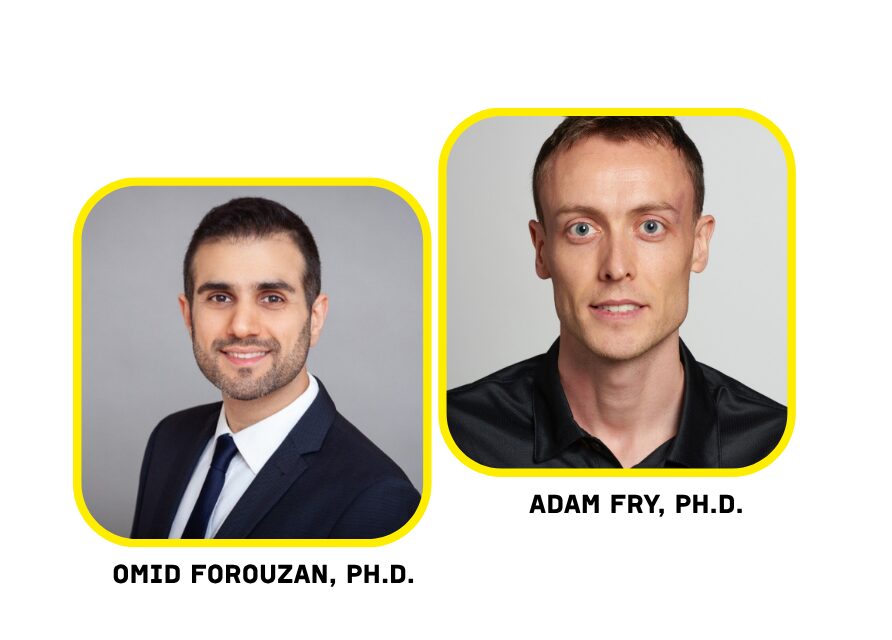
Dr Omid Forouzan and Dr Adam Fry, Synchron
Synchron Brain Computer Interface: From Research to Clinical Adoption
In order to move from academic research to broad clinical adoption, Brain Computer Interfaces [BCIs] need to show benefits to study participants beyond technical metrics. This talk will start by exploring how both existing and novel measurements of clinical benefit may be needed to satisfy the needs of patients, clinicians, and regulatory bodies. Finally, Synchron will discuss its FOCUS-AUS trial, its 2nd Australian clinical trial with the Synchron BCI.
For enquiries related to the seminar series, please contact: Dr Sarah Bennett
About the presenter
Omid Forouzan, Ph.D.
Omid Forouzan, PhD, is Vice President, Clinical and Medical Affairs at Synchron, where he leads the preparation and execution of the company’s clinical trials for implantable brain-computer interface therapies. He brings 15 years of experience across medtech, academia, and the medical device industry. Previously, as VP of Clinical at Endotronix, he led clinical efforts that supported PMA approval of the Cordella System. At Synchron, Omid focuses on generating clinical evidence of meaningful functional gains for people with severe motor impairment and building the clinical and regulatory foundation needed to expand access to BCI technology. Dr. Forouzan holds a PhD in Biomedical Engineering from the University of Wisconsin–Madison and an MS in Biomedical Engineering from Tulane University.
Adam Fry, Ph.D.
Adam Fry, Ph.D. is the Clinical Science Manager at Synchron, a neural interface company developing an endovascular brain-computer interface (BCI) to enable individuals with severe paralysis to reconnect with the world around them using digital devices. His work focuses on designing clinical trials and outcome measures that demonstrate meaningful patient benefit while supporting translation of Synchron’s BCI technology into an approved and reimbursed therapy. Adam completed his PhD in neurophysiology at Loughborough University in the United Kingdom and subsequently held academic positions in the Department of Neurosurgery at Stony Brook University and the Department of Rehabilitation at Mount Sinai Hospital prior to joining Synchron.
Future Seminars
- July: TBA
Seminar 2026 Recordings
Missed out on a previous seminar? Want to learn more about what is happening in the world of MND research? Revisit some of our previous seminars below. You can also view these via our YouTube Channel.