Dr Nicole Sheers’ mission to improve respiratory care for Australians living with MND
Motor neurone disease (MND) affects the nerve cells that control movement. Over time, messages from the motor neurons stop reaching the muscles. This causes the muscles to weaken and stop working. This includes the muscles controlling our breathing.
For Australians living with MND, respiratory care can have a significant impact. It can help people live longer, stay more comfortable and maintain their quality of life.
Despite this, many people with MND receive care from health professionals who have had little or no training in MND-specific respiratory care. As a result, changes in breathing may not be picked up early. Conversations about breathing support may not happen. Some people miss out on treatments that could help them.
This is the problem Dr Nicole Sheers has worked to address throughout her career. “Respiratory care makes a real difference for people with MND,” Nicole says. “But many health professionals don’t get the training they need to provide that care confidently.”
With support from a Care Support Grant from FightMND, Dr Sheers is leading a national education program to improve respiratory care for people with MND.
From clinical care to education
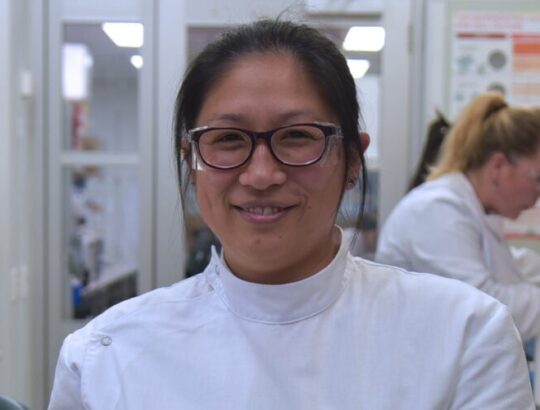
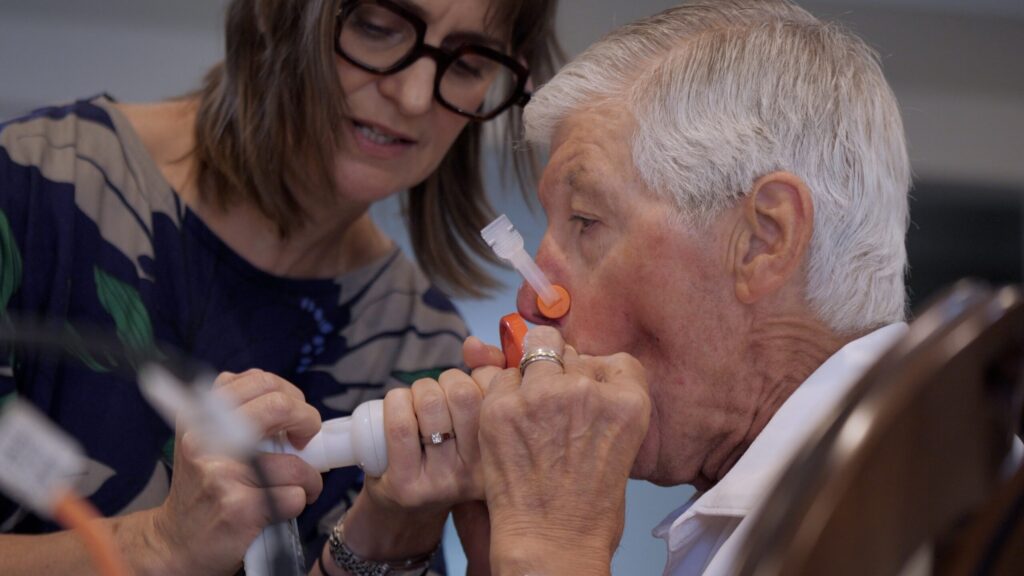
Nicole is a Respiratory Physiotherapist at the Institute for Breathing and Sleep and a researcher with the University of Melbourne’s Breathing, Exercise and Sleep Therapies team. For many years, she has worked with people living with MND, helping them manage their breathing.
During her clinical work, Nicole noticed a pattern. Many patients arrived with questions about breathing support. These were topics they hadn’t discussed with their doctor or health worker before. Some doctors or health workers didn’t have experience in MND-related respiratory care. This meant they couldn’t provide the information their patients needed.
“People were being referred late, or not at all,” Nicole explained. “There are many factors influencing referrals and the quality of care people receive, including their health professional’s knowledge and training.”
To better understand the issue, Nicole and her team surveyed people across Australia. More than one in four people with MND had never discussed breathing support with their doctor. Less than half were using available respiratory therapies. People living in rural areas were much less likely to have these discussions than those in major cities.
“If health professionals know what to look for, they can start these conversations earlier,” Nicole said. “That gives people more options and more control.”
Introducing Resp-Ed
To address this gap, Nicole has developed Resp-Ed, a national respiratory education program. It targets health professionals who support individuals with MND.
Resp-Ed consists of three connected parts. It is designed to reach health workers in both urban and regional communities.
The first part of Resp-Ed is a series of up to 15 online learning modules. These modules will give health professionals the opportunity to learn at their own pace.
The content will cover knowledge and skills, including:
- assessing breathing changes
- managing secretions
- teaching effective coughing
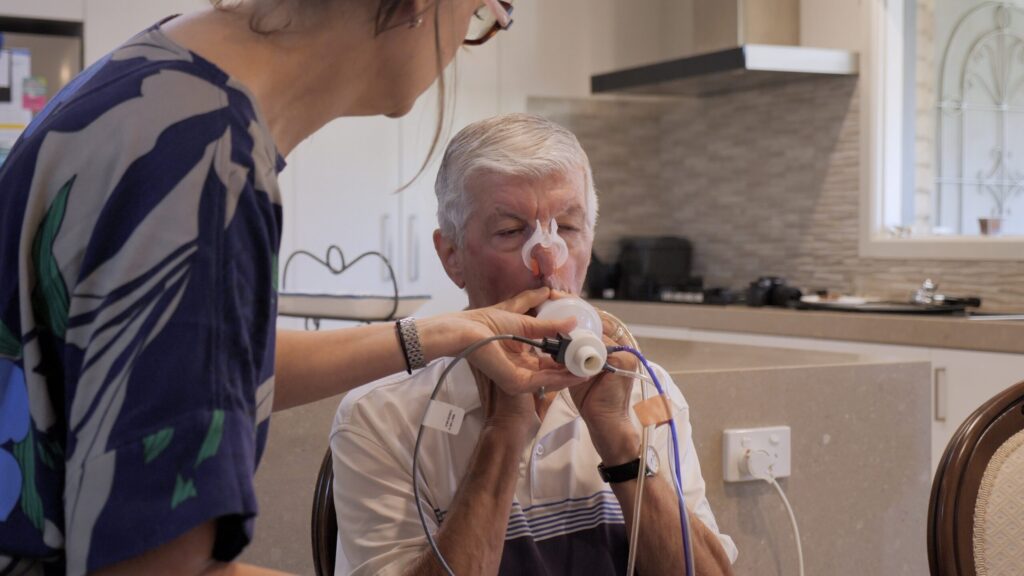
- using ventilation equipment.
This training is designed for real-world settings. It covers situations where specialist support may not be nearby.
“The content will be practical and relevant,” Nicole explains. “This is about helping people manage real situations in their day-to-day work.”
The second part of Resp-Ed includes hands-on workshops in every Australian state. These sessions will bring together doctors, nurses, physiotherapists and other health workers.
Local experts will lead the workshops, ensuring the content reflects the needs of each community. This approach recognises that challenges can differ between metropolitan centres and rural or regional areas.
Resp-Ed has strong support from many partners. This includes MND Australia, MND Victoria, MND NSW, and groups in Queensland, South Australia, Western Australia, and Tasmania. A total of 17 partner organisations and 20 collaborators are participating in the program.
“Working with local organisations means the training reflects in what’s needed on the ground,” Nicole reflects.
A national community of practice
The third part of Resp-Ed will involve piloting an online community of practice. The space will allow health professionals to ask questions, share experiences and learn from each other.
A clinical educator will moderate the platform, with input from specialist clinicians during the pilot period. The goal will be to ensure health professionals feel supported when managing complex respiratory issues.
“No one should feel like they’re managing this alone,” Nicole says. “Having access to shared knowledge is incredibly important.”
Building lasting impact
Resp-Ed plans to reach about 400 health professionals. This group includes staff from MND clinics, physiotherapists, nurses, GPs, and speech pathologists.
Nicole and her team are developing the program with clinical experts and people living with MND. This ensures the content reflects real experiences and addresses the issues that matter most.
Once finalised, the online modules will be hosted on the MND Hub platform and available for at least three years. Over this period, the team will deliver locally tailored workshops and support a community of practice, which will operate for 12 months. Evaluation of the program is a key part of Nicole’s work. “The most important outcome is better care,” Nicole explains. “If more people have timely discussions about breathing and access to the right support, then the program is doing what we set out to do.”
Improving care for Australians affected by MND
At FightMND, we know people living with MND need better support now. That’s why we invest in research that not only seeks to cure MND but improves the care that makes a difference today.
Projects like Dr Nicole Sheers build on the remarkable progress already made in Care research. Australia is now recognised as a global leader in MND research.
In 2026, we’re investing nearly $3.1 million into Care Research and Care Support Grants. These supports innovate care solutions as well as programs caring for Australians affected by MND today.
Learn more about the projects and researchers receiving funding on our website.