Associate Professor Shyuan Ngo: A life in pursuit of answers for MND
Associate Professor Shyuan Ngo, known to many as Shu, is a Group Leader at the University of Queensland’s School of Biomedical Sciences (SBMS) and Australian Institute for Bioengineering and Nanotechnology (AIBN). She is also one of Australia’s leading researchers of motor neurone disease (MND).
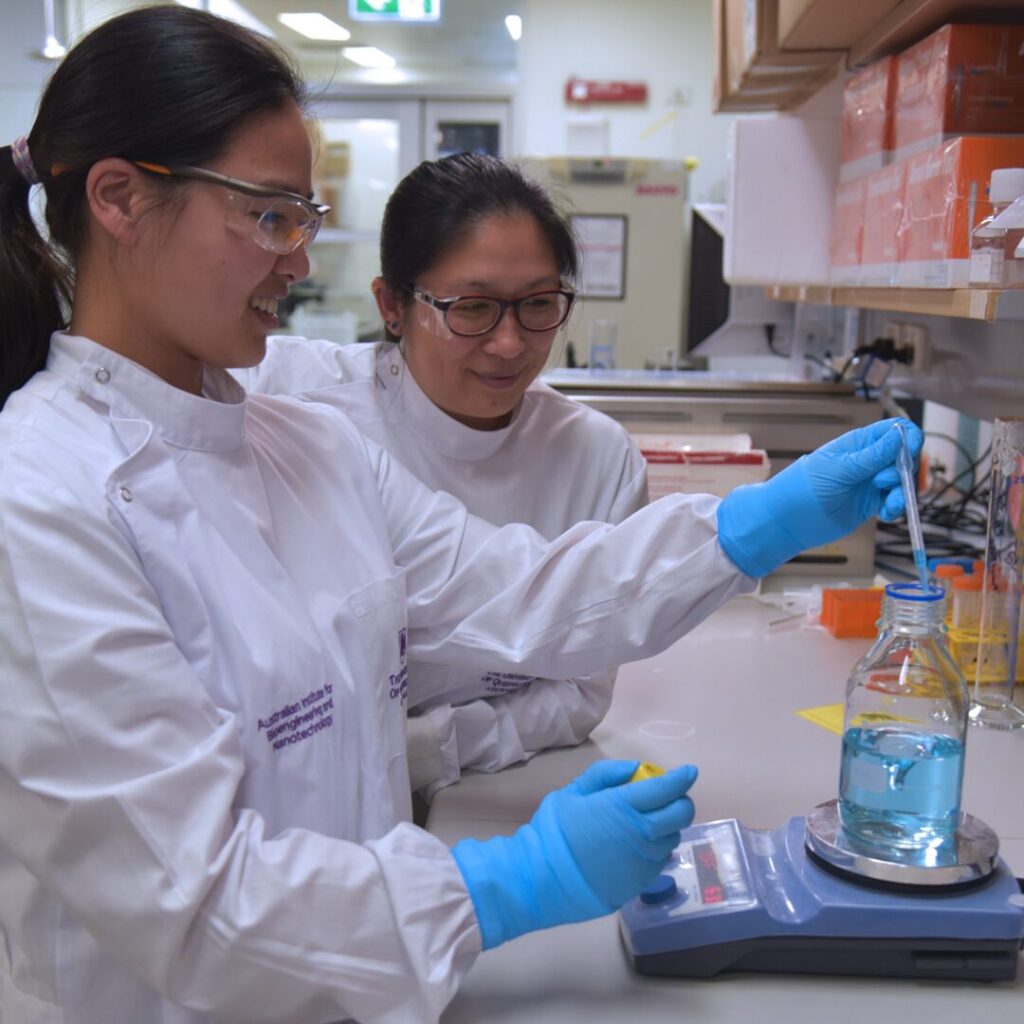
A/Prof Shyuan Ngo
Group Leader
University of Queensland’s School of Biomedical Sciences (SBMS) and Australian Institute for Bioengineering and Nanotechnology (AIBN).
But Shu’s journey into science began much earlier. When childhood television sparked a passion for discovery.
A childhood spark for discovery
Long before she became an Associate Professor, Shu was a little girl captivated by two very different television shows.
“I was absolutely fascinated by biology,” Shu recalls. “When I was a little kid, I loved watching a show called Once Upon a Time… Life. It’s a French animation about the human body and how biology works. And I was absolutely fascinated by it.”
The second show? Tintin, the intrepid reporter who travelled the world solving mysteries and helping people.
“I wanted to combine discovery through adventure with the biology I was fascinated with,” she said. “That’s what really drove me toward science.”
That early spark would grow into a lifelong passion for understanding disease and finding ways to make a difference.
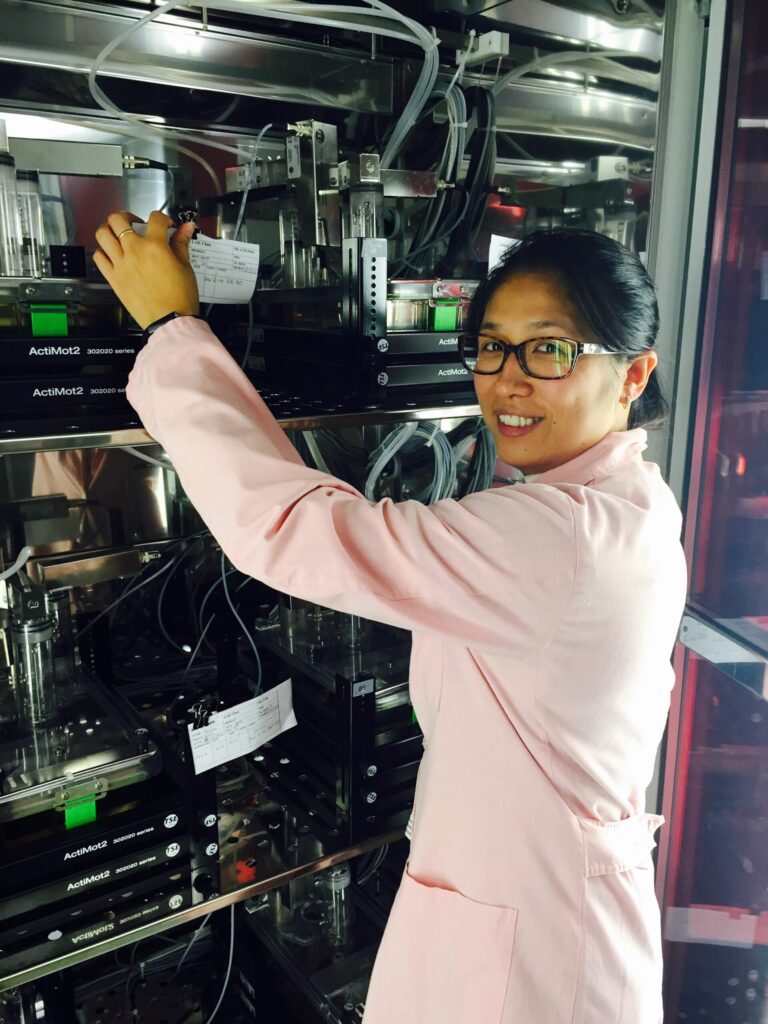
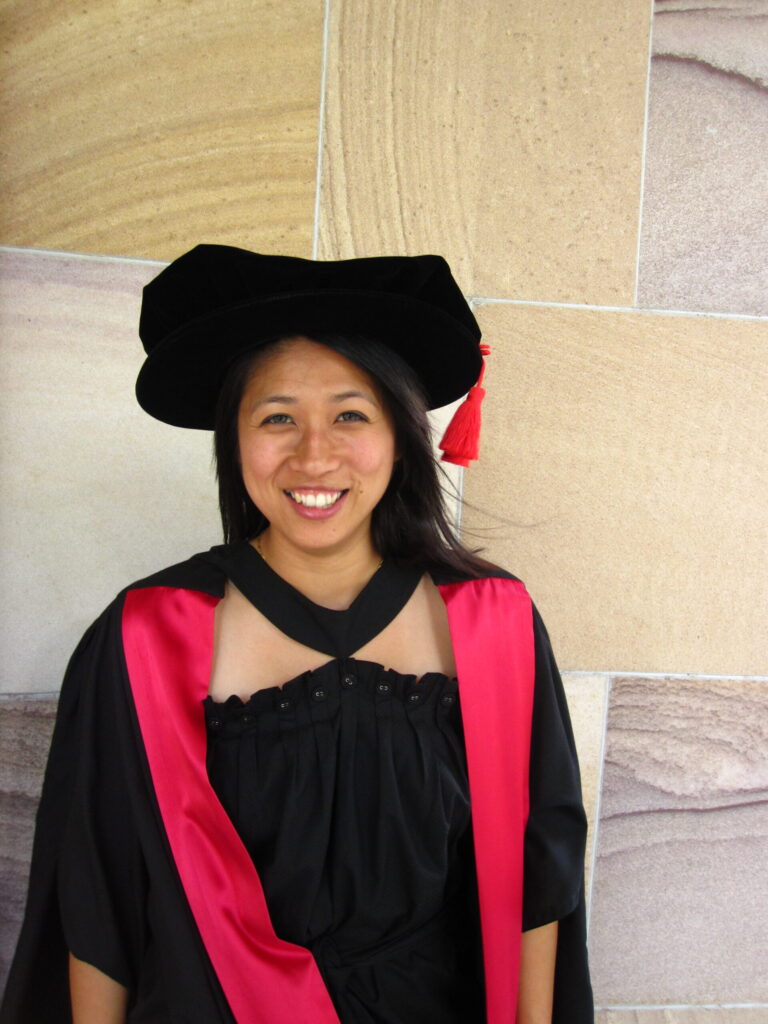
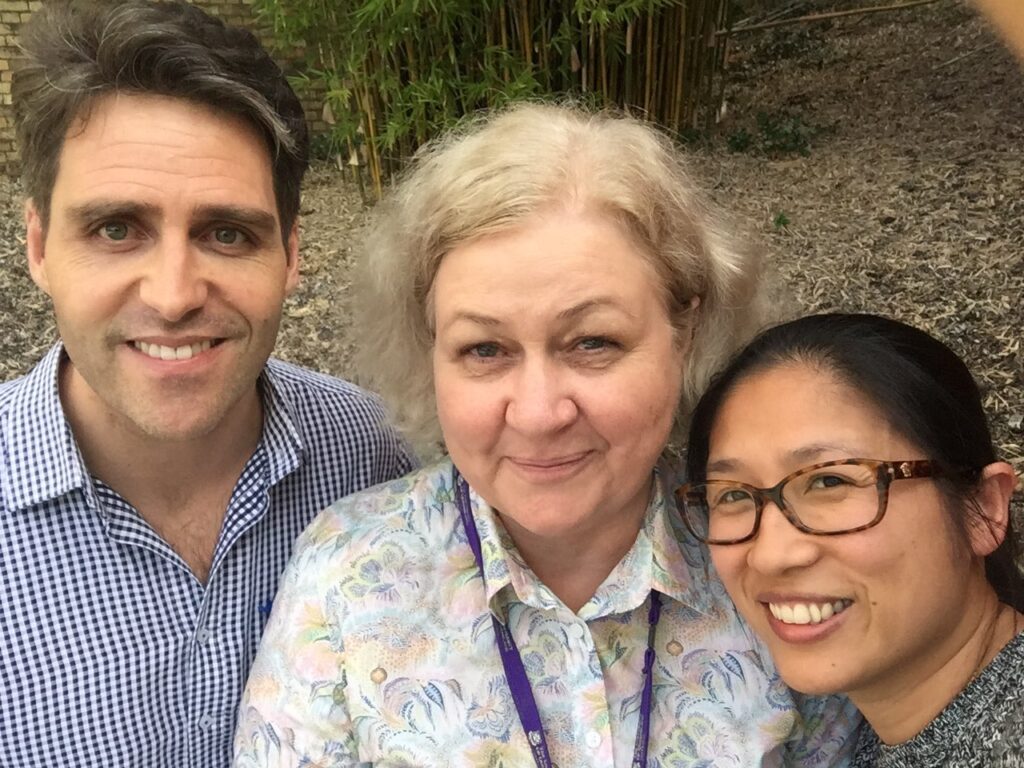
A/Prof Shyuan Ngo Professional Journey
Finding her path in neurological research
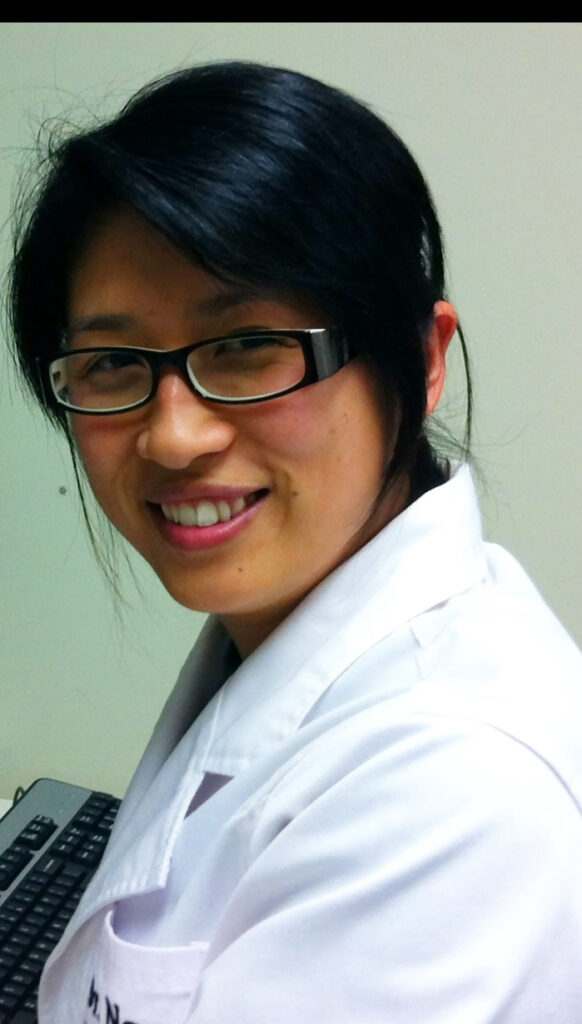
Shu’s early research career focused on neuromuscular disease. She was especially interested in conditions affecting the connection between the spinal cord and muscles. But after completing her PhD, her life took a profound turn.
“When I finished my PhD, it was the time when I lost my mother to cancer,” Shu shares. “And so, I was at a crossroads. Do I want to move into cancer research? Or do I move into something similar to what I did my PhD in, but where there is greater need?”
“I thought cancer may be a bit too close to home. Maybe a bit too hard to work in,” she reflects.
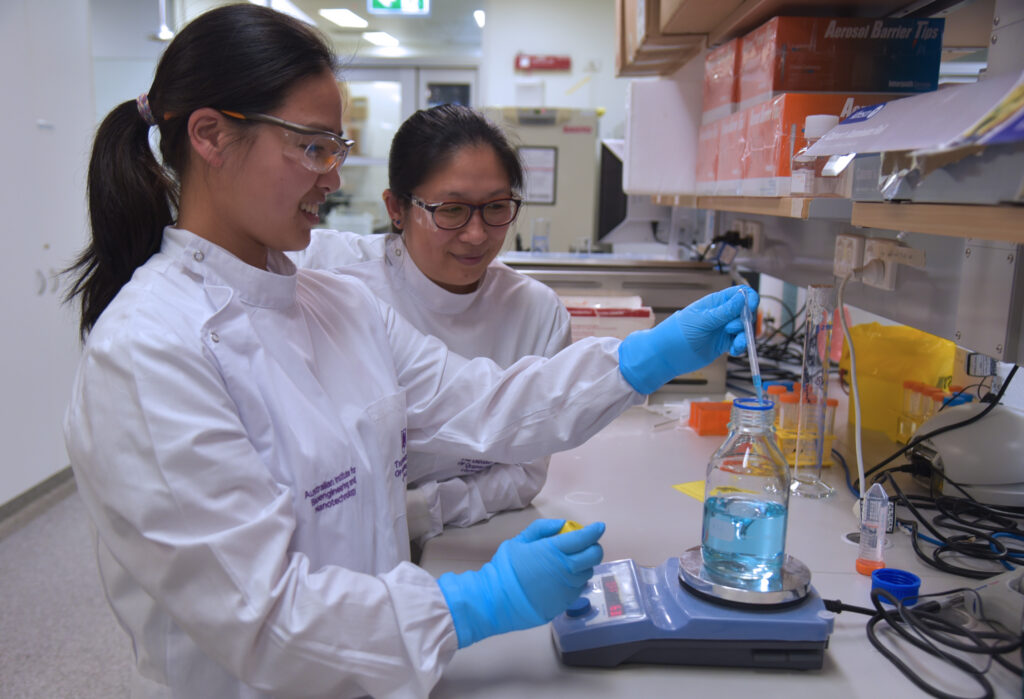
Instead, she joined a team of neurologists at the Royal Brisbane and Women’s Hospital. A move that saw her step into the world of MND research for the first time. What she found there changed everything.
“I just loved the passion of the neurologists and how they wanted to make a difference for the patients they were seeing and caring for,” Shu says. “And I been on that path ever since. I haven’t looked back.”
Finding inspiration in the MND Community
For Shu, the driving force behind her work isn’t just the scientific community. It’s those living with MND.
“It’s hard when you’re given a terminal diagnosis to sometimes see hope,” she reflects. “I know that when my mum was given a terminal diagnosis, it was quite difficult to come to terms with it.”
Yet, time and again, people diagnosed with MND surprise her.
“They always find hope in something,” she explains. “They bring that hope into the research space. They’re so committed, so altruistic with their time.”
That commitment has shaped Shu’s sense of responsibility as a researcher.
“If they can bring that to the table,” she says, “why can’t I?”
Shu is deeply moved by the desire of people living with MND to reshape the future. Not just for themselves, but for those who will come after them.
“They don’t want people to hear the same thing they heard,” she says. “They want to say, ‘My contributions led to a conversation at the doctor’s where you’re told you have MND, but there’s something we can do about it.’”
For Shu, that vision underpins everything her team works towards.
The challenge of funding research
Like many Australian researchers, Shu has faced the reality of limited research funding. With national funding success rates around 10 per cent, countless worthy projects never get off the ground.
“There’s only so much funding to support everything. From fundamental discoveries like Wi‑Fi and penicillin, through to clinical trials that help people live better and longer lives,” she explains.
This is where disease‑specific funding bodies, like FightMND, play a critical role.
“The grants coming through from organisations like FightMND make a huge difference,” Shu says. “They’re keeping the MND workforce strong and they’re attracting bright minds into the field.”
For Shu, support from FightMND came at a crucial moment in her career.
“I was running out of funding,” she says. “I had no salary. Grants were ending.”
In 2019, she received news that FightMND had awarded her a Mid-Career Research Fellowship and a Drug Development Grant.
“I remember receiving news that I’d received these grants from FightMND. The relief I felt to be able to stay and do what I wanted to do for people living with this disease; I don’t think I can put into words what I was feeling,” she remembers.
“It was crucial for me being able to maintain my research trajectory, the team that we had, the young researchers who had these bright ideas that they wanted to pursue as well, so I could stay here and help support them.”
For Shu, the impact of FightMND’s support extends far beyond individual researchers. It is helping build a strong MND research workforce, now and into the future.
“The FightMND grants that are coming through and supporting the MND researchers, not only in Australia, but also globally, is making a huge difference because it’s keeping that MND workforce strong,” Shu explains. “Bright minds are staying in the field. Bright minds are being drawn to the field.”
Uniting expertise to drive progress
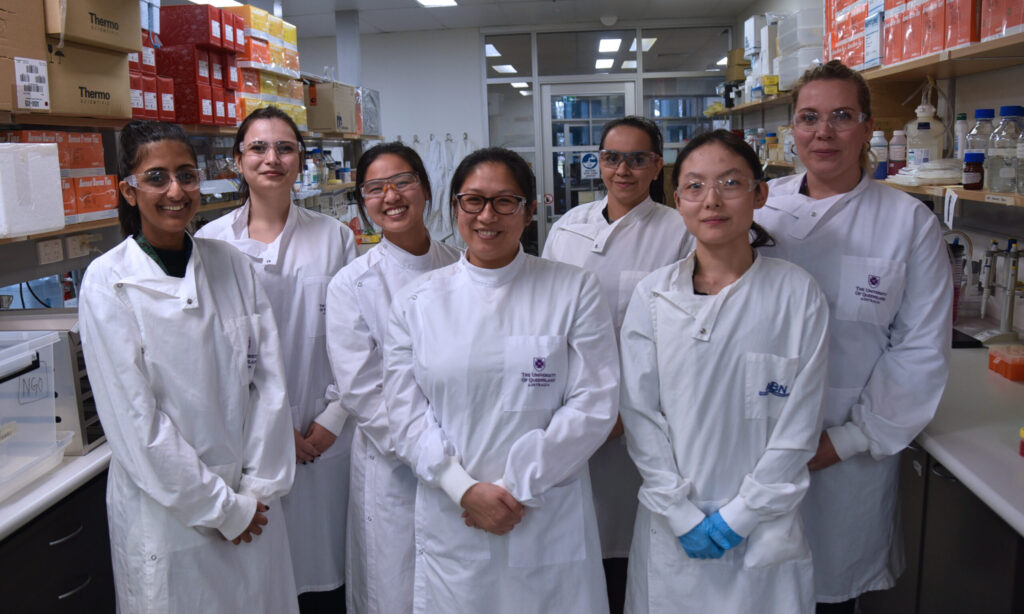
Shu’s passion for MND research has seen her take a leading role in a bold new chapter in MND research at the University of Queensland. The UQ Centre for MND Research is a collaboration bringing together more than 100 researchers across various disciplines, all focused on one goal: accelerating progress for people living with MND.
The Centre reflects a shift in how research is done. No longer working in silos, scientists, clinicians, engineers, physicists, chemists, data scientists, care researchers and people with lived experience are coming together to look at MND from every angle.
“We’re now at a point where we can combine neuroscience, biology, chemistry, physics, mathamatics and nanotechnology,” Shu says. “That’s when you start to push things forward at a rate we’ve never seen before.”
For Shu, the strength of the Centre lies not just in its size, but in its shared purpose. A community united by the urgency of the disease and the determination to change its course.
Shu’s vision for the future
Looking ahead, Shu’s vision is clear: a future where collaboration drives faster breakthroughs, global partnerships accelerate clinical trials, and people diagnosed with MND are met with real options.
“If we’re going to make a true impact, it has to be global,” she says. “We need to work together, share knowledge, and move discoveries into treatments as quickly as we can.”
It’s an ambitious vision. But one grounded in momentum, and in hope.
Because for Shu, the goal is simple, and deeply human: to change what comes next for people living with MND.
“A diagnosis shouldn’t be the end of the story,” she says. “It should be the beginning of a conversation about what we can do.”
Choose fight and help power tomorrow’s MND research leaders
Big Freeze 12 is back and this year we’re making a choice. The choice to FIGHT.
Research continues to be our best weapon in the fight against the Beast that is MND. By choosing fight and wearing your Beanie this Big Freeze, you’re helping researchers like Shu continue vital work focused on uncovering more about MND, exploring potential treatments and moving us closer to a cure that will one day beat the Beast for good.
Every Beanie worn sparks conversations, raises awareness and helps fund the next generation of researchers leading the fight against MND. Together, we can continue backing the brilliant minds working tirelessly to change the future for those impacted by this disease.
So what are you waiting for? You have a head. Use it. Get your Beanie today at Coles, Bunnings, Reddy Express Stores and at fightmnd.org.au