NCWA works to close the gap in MND care across WA
A motor neurone disease diagnosis is life changing. But, in Australia, your age can add further stress. Determining whether you can get access to the support you need.
For those diagnosed with motor neurone disease (MND) after their 65th birthday, they fall into a gap. Too old for the NDIS. Too young for Aged Care. Often this means that the specialist support they desperately need is out of reach.
For people in regional and remote WA, those barriers can feel even greater. Long waitlists. Limited access to neurologists. Exhausting travel for a single appointment.
Now, a new community-based service is working to change that.
FightMND has awarded a Care Support Grant to the Neurological Council of WA to establish and pilot the state’s first MND Nurse Practitioner-led model of care delivered in the community. Over two years, the project will bring specialist clinical support directly to people who need it most.
Care that comes to you
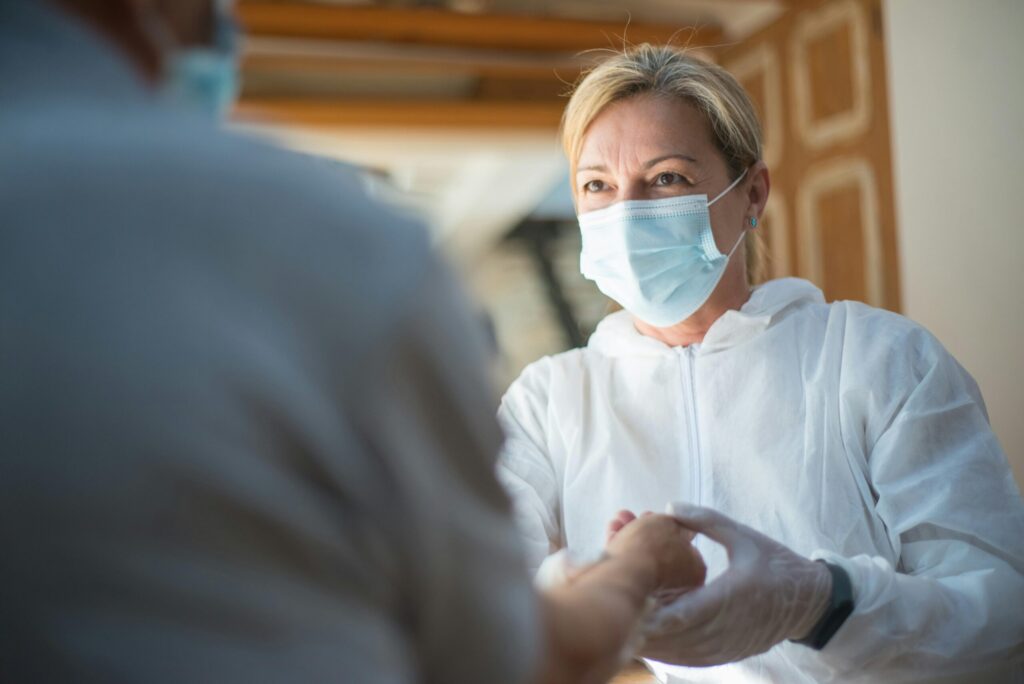
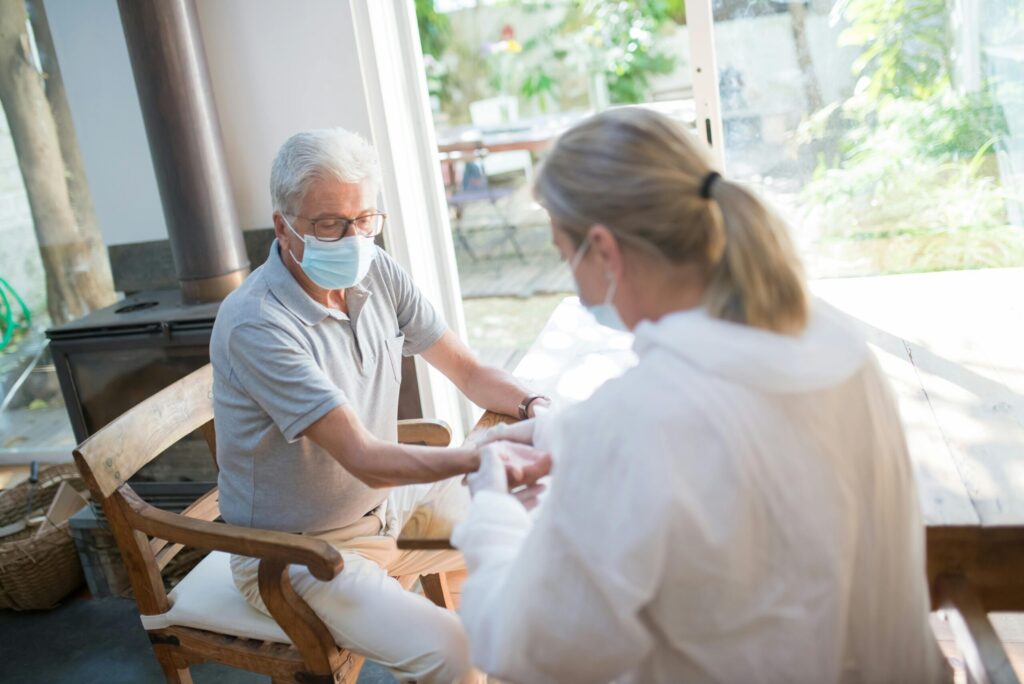
The new model places clinical expertise where people need it; at home and in their local communities. Nurse Practitioners can assess symptoms, prescribe medications, coordinate care, and support families without the delays and barriers often associated with hospital-based care.
“We’re seeing people with MND who can’t access the care they need because of where they live, their age, or systemic barriers to culturally safe care,” says Etta Palumbo, Chief Executive Officer at the Neurological Council of WA, and former carer of her mum who lived with MND. “For the first time, we’re bringing specialist care directly into homes, regional communities and to families who need support right now.”
Over two years, the service will support around 250 West Australians living with MND, including people over 65 who are ineligible for NDIS support and families in regional and remote communities facing significant barriers to specialist care.
The service will also provide carers and family members with clinical education, guidance and practical support to help navigate the system.
Led by award-winning expertise
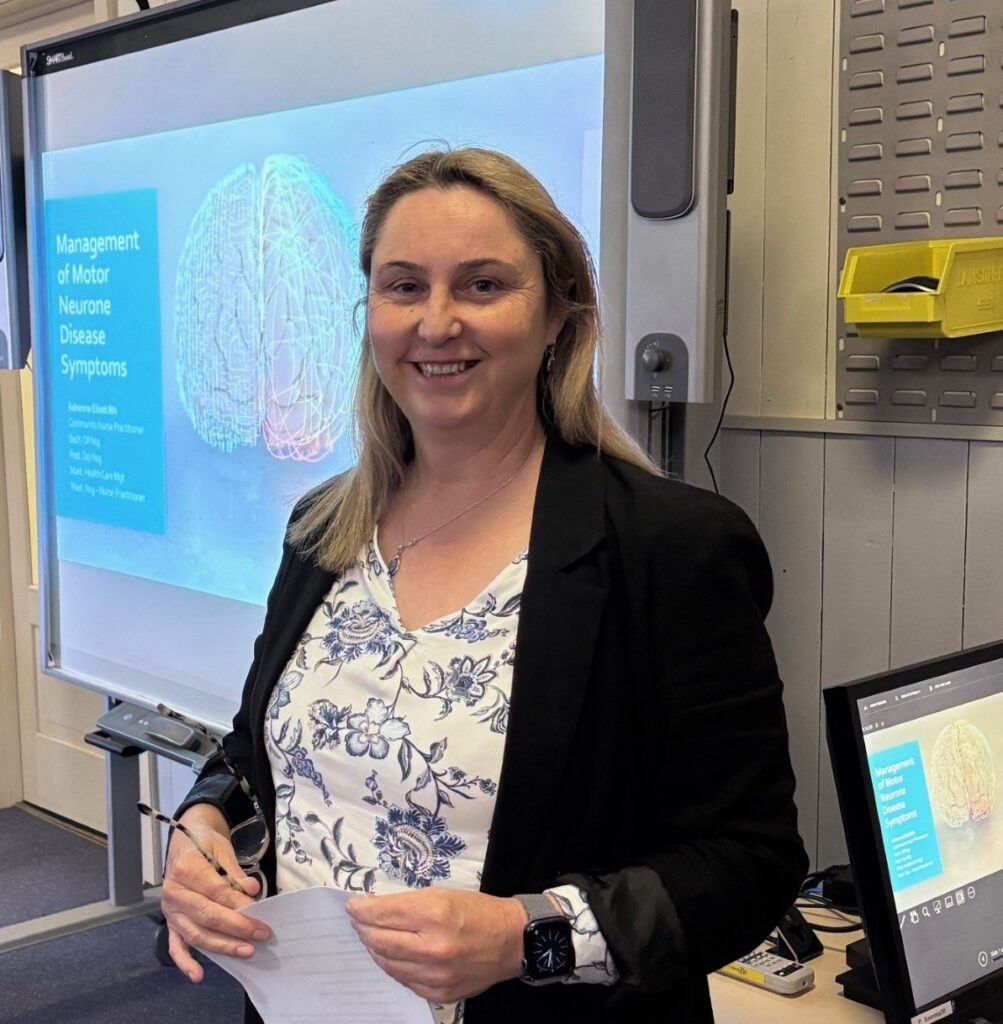
At the centre of the project is Adrienna Elliot, an award-winning MND Nurse Specialist who recently been qualified as a Nurse Practitioner. She is a panel member for the Australian MND Clinical Guidelines and works closely with the MND clinics at Perron Institute and each of WA’s Health Service Providers.
Adrienna will lead the service with clinical supervision from Professor Merrilee Needham, one of Australia’s leading MND neurologists and Medical Director at the Perron Institute.
“Adrienna’s expertise means people receive the right care at the right time,” Etta explains. “She can manage complex symptoms, adjust medications and make clinical decisions that may have previously required a specialist appointment months away.”
Designed with the community
The program has been shaped by the people who will use it.
Families in regional towns spoke about the exhaustion of travelling long distances for appointments. Aboriginal communities highlighted the importance of Culturally Safe Care close to home. Older people living with MND described the challenges of navigating systems that often don’t fit their needs.
Outreach clinics will deliver face-to-face support in regional areas, while telehealth will reduce the burden of travel. Partnerships with local Aboriginal Community Controlled Organisations will help ensure the service is accessible, culturally safe, and responsive to community needs.
“We can’t simply replicate a city-based model and expect it to work everywhere,” says Etta. “Every community is different, and every person’s journey with MND is different. The service has been designed to adapt to those needs.”
Building a sustainable future
The project is also laying the groundwork for longer-term change.
The long-term goal is to secure Medicare funding for Nurse Practitioner services so people can continue accessing specialist care without additional financial pressure.
The initiative will also work to strengthen the connection between GPs, neurologists, palliative care teams, community nurses, and allied health providers, making it easier for people with MND to receive coordinated support closer to home.
What this means
For someone living with MND in Geraldton, it could mean seeing a specialist nurse at home instead of travelling hundreds of kilometres for care.
For a 68-year-old newly diagnosed with MND, it means receiving support that previously felt out of reach.
For carers trying to navigate an overwhelming system, it means having someone to call who understands what comes next.
“This is about dignity, equity and hope,” Etta explains. “Every person with MND deserves access to expert care, no matter where they live or what their circumstances are.”
By bringing specialist support into homes and communities across WA, the project is changing what MND care can look like and who gets access to it.
Donate this Big Freeze by grabbing your Digital Beanie
The progress being made in MND care, from programs like this being led by the Neurological Council of WA to vital research, is real. But for people living with MND, the need remains urgent.
This Big Freeze 12, we’re asking Australians to make a simple but powerful choice. The choice to FIGHT.
The Digital Beanie is a new way to donate in the fight against MND. You can personalise it, download it, and share it on your socials; helping spread awareness wherever you are. By choosing a Digital Beanie you’re making a difference in the fight against the Beast.
Every Digital Beanie purchased is a donation to FightMND, helping fund vital research and care programs. All purchases are tax deductible and go directly towards powering the next generation of breakthroughs.
You’ve got a phone. Use it. Donate by grabbing your Digital Beanie at bigfreeze.com.au