Dr Sam Barton and the mini-brains unlocking big answers in MND research
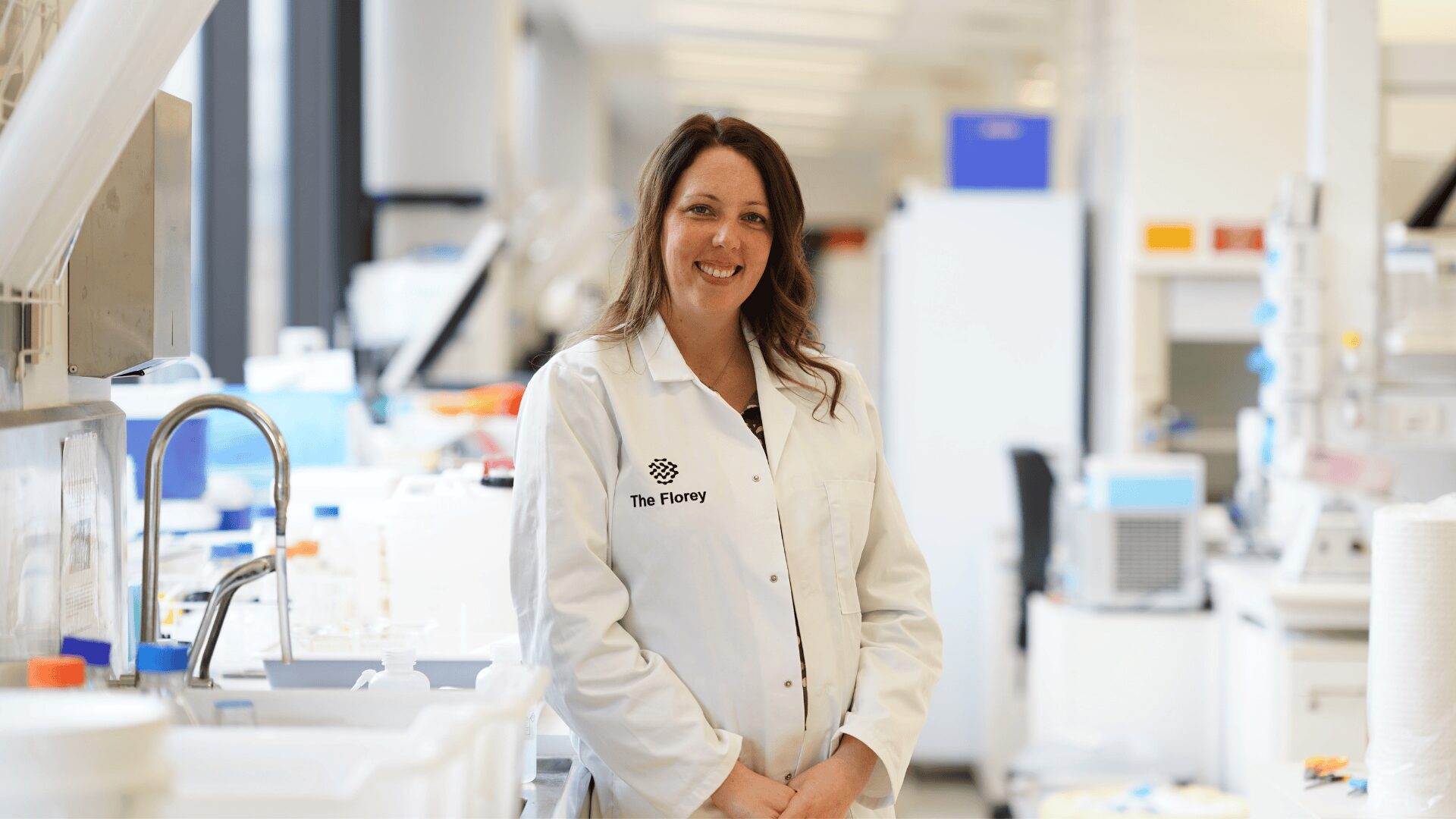
Inside The Florey Institute neuroscientist Dr Samantha Barton is leading an ambitious and imaginative project called Using iPSC-derived Organoids to Understand TDP-43 Pathology.
Her goal? To better understand how motor neurone disease (MND) starts, spreads, and wreaks havoc on the nervous system. To do it she using something straight out of a science fiction novel. Mini-brains.
These mini-brains, or organoids, are made from the stem cells of people living with MND. They’re three-dimensional clusters of living cells that mimic the behaviour of brain tissue, allowing scientists to watch how disease pathways unfold in real time.
It’s a bold new way of studying MND. One that could help researchers uncover what triggers the disease and, one day, lead to treatments that slow or stop it.
“Our goal is to understand what’s actually causing MND,” says Sam. “Only by uncovering the biology that drives disease onset and progression can we hope to find stronger targets for treatment.”
Understanding how MND spreads
MND doesn’t just affect motor neurons, the nerve cells responsible for movement, speech and swallowing. It also impacts the neighbouring support cells that keep those neurons alive and healthy.
Sam’s research focuses on TDP-43, a sticky, toxic protein that builds up inside cells in nearly all people living with MND. Using organoids created from patient-derived stem cells, her team can observe how TDP-43 spreads between different cell types, disrupting the delicate balance of the nervous system.
This approach provides an unprecedented window into how MND progresses inside the human body. By identifying the key processes driving that progression, Sam’s team hopes to reveal new targets for drugs that could protect neurons and preserve function for longer.
“The establishment of our ‘mini-brain’ model will allow mechanistic insight into the drivers of MND,” she explains. “That means we’ll be able to identify novel targets and adapt them into a drug screening platform.”
Collaboration at the cutting edge
This project brings together some of Australia’s brightest minds in MND research. Sam’s team at The Florey is collaborating closely with researchers Dr Rebecca San Gil and Professor Adam Walker from the University of Sydney, alongside Dr Dmitry Ovchinnikov, combining world-leading expertise in stem cell biology and mouse modelling.
Beyond the lab work, the project is helping to build research capacity by training new scientists, including a PhD student who is relocating to Australia to join the team. Together, they’re creating a model that will serve as an invaluable resource for MND researchers around the world.
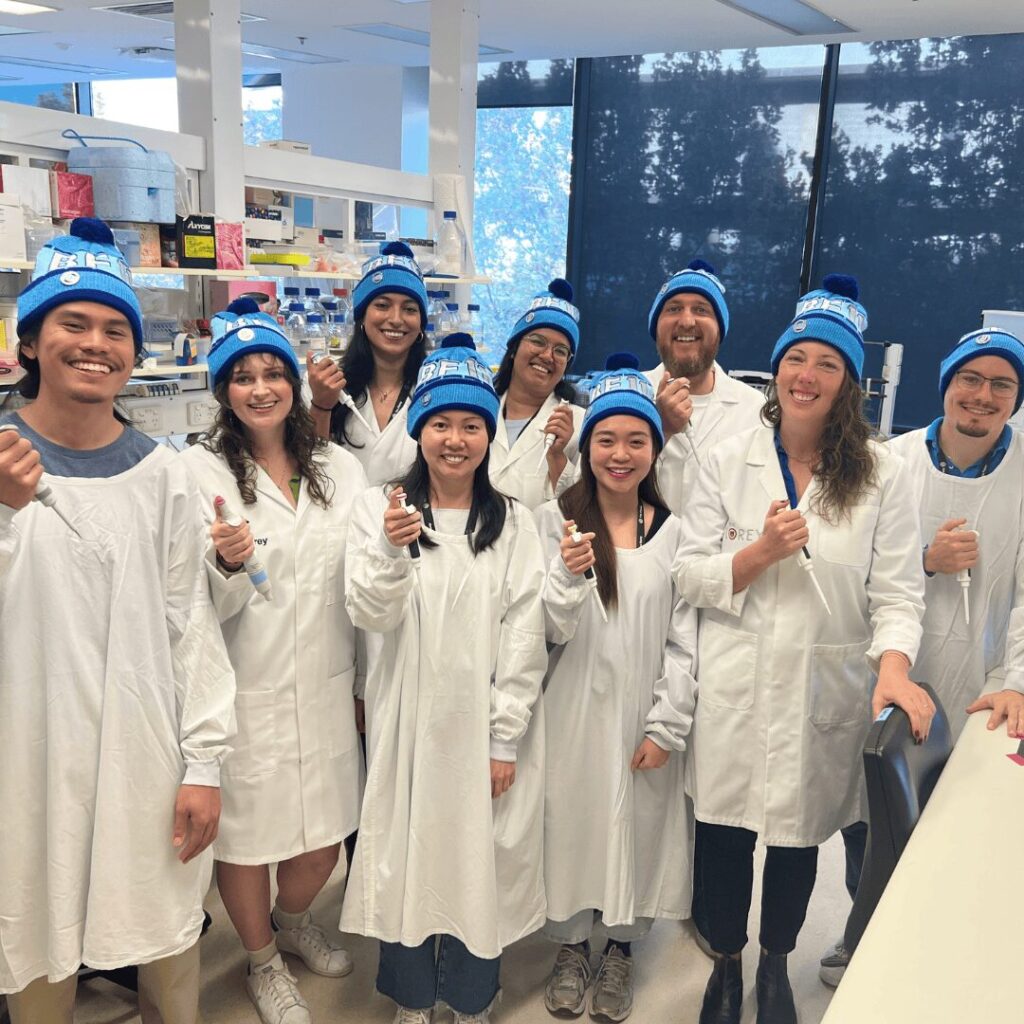
Powered by a 2025 FightMND IMPACT Grant
This research has been made possible through a 2025 FightMND Impact Grant, supporting innovative projects that strengthen the global push to understand and treat MND.
“FightMND’s support enables collaboration between leading MND researchers across Australia,” says Dr Barton. “It funds both our researchers and our research — helping us make discoveries that could one day translate into new treatments.”
Hope for the future
For Sam and her team, the science is deeply personal. The team at The Florey often hosts visits from people living with MND. Moments that remind them why their work matters.
“I’m always humbled by how supportive they are of us and our research,” she says. “Even though our experiments might not help people living with MND right now, their encouragement inspires us to keep going. One day, we want to proudly share how our discoveries directly led to new drug options that change lives.”
Sam’s long-term goal is to uncover the hidden drivers of MND and pave the way for new, life-changing therapies. Each mini-brain grown in the lab brings that vision one step closer. Proof that even the smallest discoveries can make a world of difference.
Supporting research to beat the Beast
Dr Sam Barton’s research is helping scientists better understand how MND starts and spreads. She is just one of many researchers whose work is made possible through FightMND funding. Research like this is vital to improving treatments and, one day, finding a cure for the Beast. But research takes time, and ongoing support.
You can help fund this vital work. A donation to FightMND supports researchers like Sam and brings us closer to a future free from MND.
Together, we can beat the Beast.