Mark my words: How Tasmania’s equipment library transforms life for people living with MND 

Mark my words: How Tasmania’s equipment library transforms life for people living with MND 

For Tasmanians living with motor neurone disease (MND) staying safe, independent and connected to the community can depend on having the right equipment at the right time. But for many, accessing essential assistive technology can be painfully slow. This is why MND Tasmania’s equipment library has quickly become a vital lifeline. 

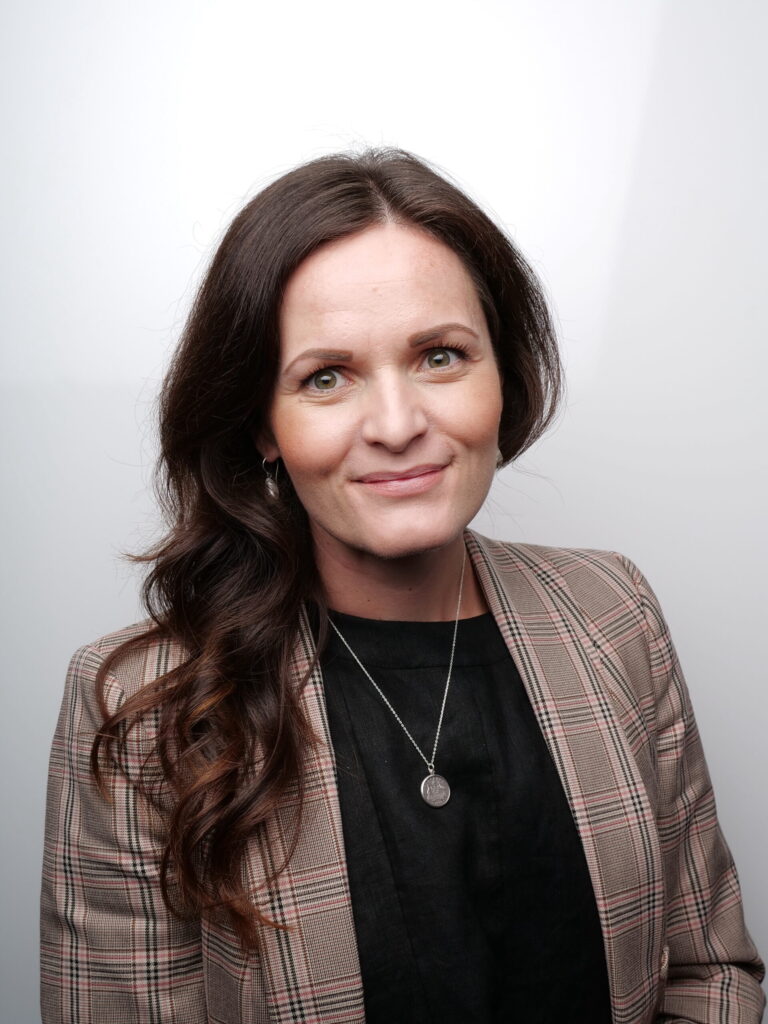
Chris Symonds knows firsthand how essential this service is. As President of MND Tasmania, Chris has been instrumental in the establishment of the state’s equipment library. “Equipment libraries are vital in precuring new or used assistive technology and then distributing these to people living with MND or Kennedy’s Disease,” Chris says. “For those over the age of 65 who are ineligible for NDIS funding, MND Tasmania provides this essential equipment at no cost.” 

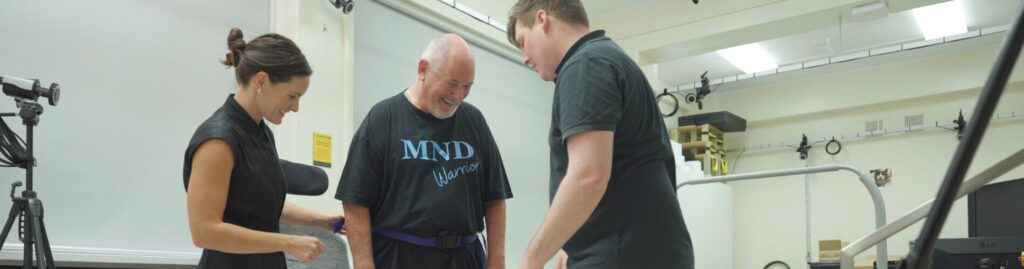
The library provides a wide range of equipment, including lift chairs, adjustable beds, power wheelchairs, bathing supports and specialist communication or breathing devices. Everything that can help someone stay safe and independent for as long as possible. People are connected to the service through their MND Advisor, who works with them to identify what equipment they need and when they need it most. 

Demand is constant, and every situation is unique. “For those living with MND, the rate of progression and areas affected vary from person to person. This means individual equipment needs vary,” Chris explains. That’s why the library is shaped not only by clinical advice, but by the lived experiences of people with MND. Ensuring the support provided truly meets their changing needs. 

For families navigating a rapidly progressing disease, timely equipment can be life-changing. It helps people maintain mobility, continue daily routines, stay socially connected and live safely at home for as long as possible. But when access is slow, abilities can be lost before the needed equipment arrives. The equipment library exists to close this critical gap, restoring dignity, independence and a sense of control when it’s needed most. 

Its impact comes from speed. “The aim of our equipment library is to provide items quickly,” Chris says. “Other state-based or NDIS approvals can have slow responses to the need and often when the item arrives the person’s condition has progressed and is ready for the next item.” 

Chris has experienced this delay himself. Living with Kennedy’s Disease, an inherited disease affecting the neurones in the brain, he knows firsthand how importance timely access can be. Under the NDIS he waited six months and 11 days for his power wheelchair to arrive, even though the approval itself took only 15 days. In contrast, his cousin, over 65 and not on the NDIS, received a similar second-hand power chair through an equipment scheme in just two weeks. “It did the same job. Speed matters.” 

Operating the library in a small state brings challenges, particularly the high costs of maintaining specialised equipment. That’s where strong partnerships are essential. “MND Tasmania works closely with our partner, Country Care, to deliver the service. This partnership is essential to the delivery of the library,” Chris says. By combining Country Care’s logistical expertise with MND Tasmania’s community focus, the program has built a solid foundation. 

Community donations and support are also critical to the library’s growth. FightMND is investing in this initiative, helping MND Tasmania strengthen its equipment pool and accelerate access for those who need it most. 

Chris’s message to Australians is clear. “MND progresses quickly. Equipment libraries help people stay safe at home and active in their community not stuck in hospitals or aged care. Supporting these libraries is supporting dignity, independence and quality of life.” 

Thanks to Chris and his team this equipment library is making a meaningful difference for Tasmanians living with MND.  

Mark My Words: Your support powers projects supporting Australians living with MND 

MND Tasmania’s equipment library is a lifeline, providing critical equipment quickly so people affected by MND can maintain their independence and dignity. Your support helps FightMND fund essential projects like this, empowering families and improving care across Australia. 

Mark my words: together, we can make a difference. Every donation accelerates research, funds innovative care and empowers people living with MND. Join the fight today. Together we can create a future without MND.  
Mark My Words: How harnessing AI could transform night-time breathing support for people living with MND 

Mark My Words: How harnessing AI could transform night-time breathing support for people living with MND 

Every day the teams at The Institute for Breathing and Sleep and the University of Melbourne at Austin Health work closely with people affected by motor neurone disease (MND) to navigate one of the most fundamental challenges of the illness. Breathing. 

For many people with MND, restful sleep depends on non-invasive ventilation (NVI). When everything works smoothly, NIV can restore comfort, strengthen quality of life and, in some cases, help people live longer. But when the technology slips out of sync with a person’s breathing pattern, the benefits can quickly unravel. Known as patient–ventilator asynchrony, the issue can leave people frustrated, exhausted and often hesitant to continue using NIV at all.  

Professor David Berlowitz, together with the Victorian Respiratory Support Service team, have seen the challenges of patient-ventilator asynchrony firsthand. They work closely with Australians affected by MND to manually correct unsychronised ventilation, and while their manual adjustments help many people, they knew a more seamless and dependable approach was needed. 

Enter Anthony Stell and the Computing and Information Systems team from the University of Melbourne, led by Professor Uwe Aickelin, engineers driven to use technology for human good. The worlds of clinical care and AI came together. David understood the problem. Anthony and the team knew how to build the solution. 

Together, they created a collaborative research project to develop algorithms which mimic what expert clinicians do manually. Using data from a large, multi-centre clinical trial across Australia and Canada, the team is training AI models to detect changes in patients’ breathing, with an aim to automatically adjust NIV in real time. 

The trial is guided by a stakeholder advisory committee, ensuring that people living with MND and their families help shape every stage of the research. Once the algorithm is accurate and robust, the team plans to work with the committee to support implementation. 

While the engineering is complex, the motivation is deeply human. David explains, “We sleep for one-third of our lives, and we all understand how a good sleep makes us feel better.” He knows that when NIV works seamlessly, individuals and families notice the difference every morning. “If our project is as successful as we hope, the person with MND and their families should notice the difference.” 

The team is already looking ahead. With promising early results, they aim to integrate the AI directly into ventilator devices. “Next steps would be the integration of this software algorithm in the ventilators themselves,” Anthony says. A key step to bringing the innovation from the lab into homes worldwide. 

Along the way, the partnership between clinicians and engineers has proven invaluable. Anthony reflects, “The capacity building between clinical and engineering domains is enormous.” For David, the project is a natural continuation of decades of listening, learning, and responding to the needs of people living with MND. “This research question has emerged from our program of clinical and research work with people living with MND,” he explains. 

None of this progress would have been possible without FightMND’s support. “Without FightMND funding this would have been a much greater challenge to achieve,” David and Anthony emphasise. Looking ahead, the pair see even greater possibilities for AI. “Our hope is that similar uses of machine-based approaches can not only support treatments but be used to improve the process of research into deep understanding of MND and its causes.” 

Mark My Words: Your support powers vital research 

David and Anthony’s work is just one example of how technology, including AI, can improve the quality of life for Australians living with MND. This year, you can help fund the next wave of vital MND research. Every dollar raised helps FightMND support projects that improve care today while moving closer to the breakthroughs of tomorrow. 

Every donation accelerates research, funds innovative care and empowers people living with MND. Mark my words: your support can change lives. Stand with Australians affected by MND. Together, we can keep pushing forward, investing in bold research, supporting families and creating a future without MND. 

Mark My Words: Your support can change lives 

Mark My Words: Your support can change lives 

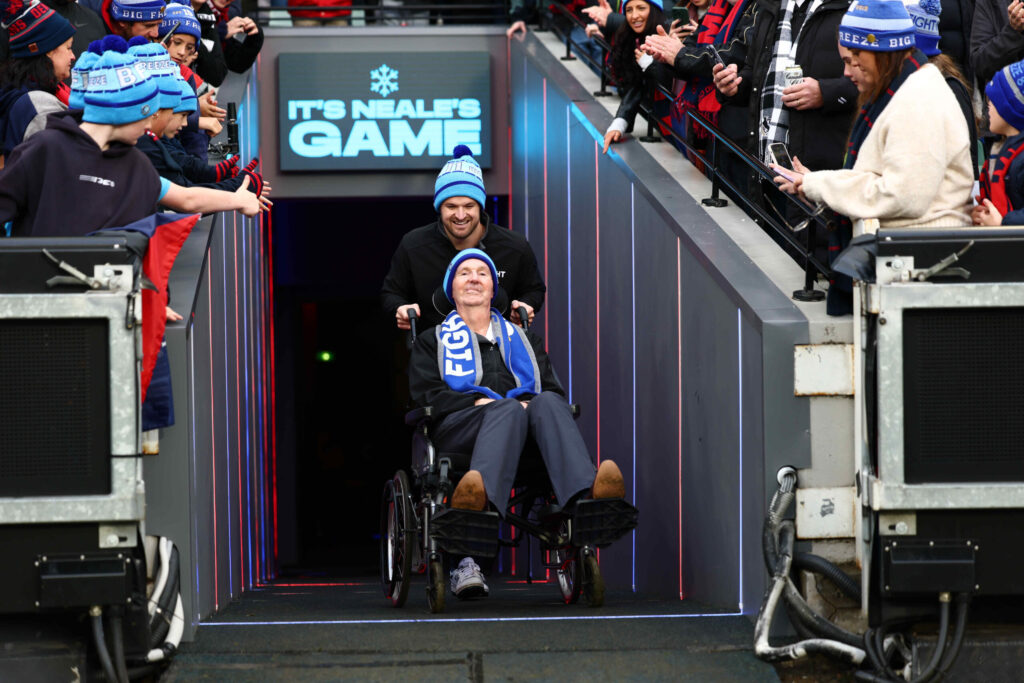
When Neale Daniher AO was diagnosed with motor neurone disease (MND) in 2013, he began living with a disease that slowly takes away the very things many of us take for granted. The ability to speak. To move. To eat. To care for ourselves. It is relentless, isolating and unforgiving, a Beast that takes and takes.  

But Neale chose not to give in. Instead, he turned his personal challenge into a mission to help all Australians affected by MND. Alongside Dr Ian Davis and Pat Cunningham, he founded FightMND and began working their vision of a world free from MND.  

This year, Neale experienced a moment that reminded him of why the fight matters. Using new technology and recordings from his coaching days, he heard his own voice again. Not the computer-generated kind he’s been relying on, but the one that sounded like him. Felt like him. “It wasn’t perfect, but it was personal. And it meant something,” he says.  

While this technology wasn’t specifically developed for people with MND, for some, like Neale, it has become a powerful tool. And while it is not a medical breakthrough, it is a reminder of what research can do with time, funding and belief. “Mark my words, every step forward brings hope and progress closer,” he says.  

Living with MND brings daily challenges that can change how people move, speak and connect with the world around them. Everyday tasks like holding a cup, walking or speaking become difficult and independence harder to maintain. That’s why investing in care-focused research is so important. FightMND supports research that explores ways to improve care. This includes research into the ways technology can help deliver better quality care, updated care guidelines, and better access to essential equipment. These projects help Australians living with MND maintain independence, improve quality of life, and give families the support they need every day. 

Mark My Words: You Can Make a Difference 

This year, Australians have the chance to stand alongside Neale and help fund the next wave of vital MND research. Every dollar raised will help drive progress. Improving how people with MND are supported today, while moving us closer to the breakthroughs of tomorrow. 

Neale’s fight is a message of choice. “No matter the odds, no matter the diagnosis, we all have the power to choose to fight, to choose our attitude, to choose to smile, and to choose to do something.” 

Every donation accelerates research, funds innovative care and empowers people living with MND. Mark my words: your support can change lives. Stand with Neale and Australians affected by MND. Together, we can keep pushing forward, investing in bold research, supporting families, and changing the future for generations to come. 

Inside Marco Peviani’s quest to turn stem cells into lifelines for MND 

Inside Marco Peviani’s quest to turn stem cells into lifelines for MND 

Imagine being able to repair the nervous system from the inside out. That’s the goal of Associate Professor Marco Peviani and his team at the University of Pavia in Italy. They’re working on a bold new way to treat motor neurone disease (MND), using a person’s own stem cells to help protect and repair damaged nerves.    

The science behind the therapy 

This research project, titled Engineering hematopoietic stem cells to empower the neurosupportive and immunomodulatory properties of microglia: a novel stem cell gene therapy strategy for motor neuron disease, aims to turn stem cells into powerful allies against MND. 

Marco’s team takes stem cells from a patient’s own bone marrow and carefully reprograms them into microglia-like cells. Special cells that help protect and repair the brain and spinal cord. When these modified cells are returned to the body, they have the potential to create a safer, more supportive environment for nerve cells. The goal is to slow down, or even reverse, some of the nerve damage caused by MND. 

“Our project aims to optimise and validate a novel therapeutic approach for MND. There are already successful examples of this strategy being applied to treat other neurodegenerative disorders, with promising evidence of clinical translatability. Therefore, we are confident that the results generated within the framework of this grant will be instrumental in supporting the future clinical deployment of stem cell-based therapies for MND.” 

This innovative research is supported by a 2025 FightMND IMPACT Grant. The Grant will help the team continue this vital lab testing and support young researchers building their careers in the field. 

Testing in the lab 

The project is in its preclinical stage. This means that testing in the lab is taking place before the project can proceed to clinical trials. The team is carefully studying how the modified stem cells behave, how safe they are and whether they can protect nerve cells effectively. 

Through this project the team is conducting a range of experiments, from growing the cells in controlled lab environments to test how they interact with damaged nerve cells. By measuring how well the cells survive, integrate and perform their protective functions, the researchers can understand whether this therapy could work in people. 

These careful steps help ensure that the therapy is as safe and effective as possible before it moves closer to clinical trials. ork promises to make a tangible difference in the daily lives of Australians living with MND. 

Listening to patients and families 

Marco and his team know that the people most affected by MND, patients and their families, have valuable insight into what research is needed most. 

“I have always appreciated the genuine and active involvement of people living with MND and their families during international and national ALS/MND congresses. Sharing the results of our research at these events has provided us with valuable insights and feedback.” 

By talking with patient groups and attending events worldwide, the team learns what challenges matter most to those living with MND. This helps the researchers make sure their work focuses on therapies that could truly improve quality of life, not just lab results. Staying connected to the patient community keeps the team motivated and grounded in the real-world impact of their research. 

Looking ahead: Clinical trials and training 

If the therapy proves successful, the next step will be partnering with clinical and commercial teams to start a clinical trial. Marco hopes this research will show that stem cell and gene therapies can help many forms of MND, giving more patients access to life-changing treatments. 

The project also trains the next generation of MND researchers. Post-graduate and post-doctoral students work closely with Marco’s team, gaining hands-on experience in tackling one of the most challenging neurological diseases. 

Inspired by mentors and patients 

Marco’s journey into MND research began early, inspired by mentors and colleagues who encouraged him to think creatively and find new solutions. 

“I am deeply grateful to all the mentors I have had the good fortune to meet throughout my career. I was introduced to the MND field by Dr Caterina Bendotti early in my graduate and doctoral studies, and I must thank her for the enthusiasm for research that she so generously shared.” 

Over the years, Marco has also been inspired by the people living with MND and their families. Meeting them through patient associations showed him the real human side of the disease. Witnessing their strength motivates his team to work harder and ensures that the research always focuses on improving patients’ lives. 

Marco envisions a future where doctors have stronger, long-lasting therapies and the tools to choose the right treatment for each patient. With continued support from organisations like FightMND, research like Marco’s brings us one step closer to turning hope into reality. 

Funding breakthroughs to beat the Beast 

In 2025, FightMND is investing $22.9 million into cutting-edge research and care initiatives, proudly supporting researchers like Associate Professor Marco Peviani, who is pioneering bold new approaches to treat MND. Marco’s work turning stem cells into protective nerve cells is just one example of the innovative projects funded this year to slow disease, improve care, and bring hope to people living with MND. 

Your support makes this possible. Every Beanie purchased, Challenge 27 completed, DIY event hosted, or contribution made to Daniher’s Drive helps fund projects like Marco’s. Research that could one day transform treatment and change lives. 

Learn more about the research your support is powering in our 2025 Cure and Care Investment Booklet, and see how together, we’re bringing the world closer to a future free from MND. 

Transforming MND Care: Dr Karen Hutchinson’s mission to improve MND Care 

Transforming MND Care: Dr Karen Hutchinson’s mission to improve MND Care 

Imagine facing a terminal illness and trying to navigate a maze of doctors, hospitals and services. Sometimes not knowing where to turn next. This is the reality for many Australians living with motor neurone disease (MND). But Dr Karen Hutchinson and her team at UNSW are working to make sure no one faces it alone.  

Care Coordination and why It matters 

Karen’s project, Optimising the impact of the MND care coordinator in the Australian context, investigates how care coordinators help people with MND and their families access the support they need. Evidence shows these professionals can bridge gaps in services, guide people through complex healthcare systems and provide a consistent point of contact. Yet access to care coordinators is uneven across Australia, and little is known about how the role works in different regions. 

“This project investigates the role of care coordinators in supporting equitable, person- and family-centred care for people with MND across Australia,” she explains. “By mapping the current care landscape, improving understanding of the current role and responsibilities of MND care coordinators, and exploring experiences of people with MND, this project aims to highlight the value of care coordination and inform more consistent, equitable policy and service design.” 

What the Project Will Achieve 

For someone living with MND, a single phone call, appointment, or referral can feel overwhelming. Karen’s project aims to change that by turning care coordination into a seamless, reliable support system. Using a co-design approach, the research team, which includes people with lived experiences of MND, works closely with people living with MND and their families to understand what really matters in day-to-day care. 

From these conversations, the team will create a comprehensive toolkit that doesn’t just exist on paper. It’s designed for real-life use by care coordinators, healthcare teams and families. The toolkit will include: 

  • A national framework that sets out what care coordination should look like in practice. 
  • An implementation and sustainability plan to ensure coordinators can deliver support consistently across Australia. 
  • An evaluation guide to track quality, highlight successes, and identify areas for improvement. 

The ultimate goal is a system where people with MND never feel lost or alone in the healthcare maze. This project will help ensure that, whether someone lives in a city, a small town, or a remote rural area, care is connected, timely and tailored to their needs. By strengthening coordination, reducing stress, and supporting families, Dr. Hutchinson’s work promises to make a tangible difference in the daily lives of Australians living with MND. 

What makes this research unique 

This is the first national exploration of MND care coordination, taking a system-wide and equity-focused approach. By defining the skills, training, and structure required for effective care coordination, the project creates tools that can be used in real-world settings. “The FightMND care grant empowers the research team to build something actionable, inclusive, and lasting, grounded in equity and lived experience,” says Dr. Hutchinson. 

Investing in better care today 

FightMND is committed to advancing the search for a cure for MND while supporting research working to improve care experiences for Australians living with MND. Karen’s research is an example of projects working to achieve this. Strengthening coordinated care for people living with MND while helping families navigate complex health systems. 

In 2025, FightMND is investing $22.9 million into cutting-edge cure and care initiatives, including care research like Karen’s. This investment ensures that while scientists work towards a cure, Australians living with MND, their families, and carers are supported every step of the way. 

Explore our 2025 Cure and Care Investment Booklet to see the full range of projects we’re funding this year.  

Together, we can beat the Beast. 

Tracking MND progression: How muscle biomarkers could change the fight against MND 

Tracking MND progression: How muscle biomarkers could change the fight against MND 

Every breakthrough in science starts with a question. For 2025 grant recipient, Professor Peter Crouch from the University of Melbourne, that question is simple, but powerful. How do we know when a treatment for motor neurone disease (MND) is really working? 

For people living with MND, time is precious. Every sign of change matters. But the tools researchers currently use to measure whether a treatment is helping can be slow and uncertain. Peter wants to change that.  

Left to right: Jeff Liddell (back to camera); Peter Crouch; James Hilton; Youjia Wang; Marc Yong; Ella Smart (back to camera). 

Looking to the muscles for answers 

With the support of a FightMND IMPACT grant, Peter and his team are taking a new approach. Focusing not on the brain or nerves, but on the muscles that MND gradually weaken.  

“Accurate assessment of the response to treatments associated with functional improvement is necessary for advancing the development of new treatments for MND,” Peter explains.  

His project is developing special biological markers, or biomarkers, in skeletal muscle that can act like signposts. Showing whether a treatment is improving strength and function.  

“Our project aims to develop treatment response biomarkers that are directly associated with functional improvement,” he says.  

A roadmap to real-world impact 

Findings from the project have the potential to make a huge difference in how quickly researchers can tell if a new drug or treatment is effective. That means faster clinical trials, better results and more hope for people living with MND.  

To reach this goal, Peter’s team is following a careful plan: 

  • Mapping how muscle proteins change as MND progresses in lab models. 
  • Identifying which proteins are the best indicators of treatment response.  
  • Testing those findings in real human muscle samples to prove their clinical value.  

“It’s groundbreaking work and the implications could be global,” explains Peter. “If validated, we anticipate that muscle biomarkers will be included in future clinical trials assessing candidate treatments for MND.” 

Human spinal cord: Image shows a visual representation of the elemental content of human spinal cord, highlighting in blue the central ‘grey matter region’ where motor neurons reside. 

Staying connected to the MND community 

While this project doesn’t directly involve people living with MND, for Peter, staying connected to the MND community is deeply important. He regularly attends conferences and events bringing scientists, clinicians and people with lived experience together.  

“I have over the course of many years working in this field met many people living with MND,” he explains. “Every conversation has the same impact. I want to go back into the lab as quickly as possible to continue progress on our experiments. It’s incredibly inspiring when toiling away in the lab to know that there are so many people out there cheering us on.” 

Looking to the future 

For Peter, support from FightMND has made this project possible. “This is a new project that has no other funding support. Without support from FightMND this project would not be happening.” 

Looking ahead, Peter hopes the discoveries from his lab will help doctors tailor treatments more precisely for each person. 

“New tools to determine whether or not a particular drug is working for a person living with MND are needed,” he says. “I hope that our work will add to the toolbox that is currently used.” 

Every experiment, every insight, brings the team closer to a future where people with MND can receive faster, more effective treatments and where every sign of progress can be measured with confidence and hope. 

Investing in research to beat the Beast 

The road to a cure for MND is long, but research like Professor Peter Crouch’s work on muscle biomarkers is bringing us closer every day. By developing new tools to track treatment response, his team is helping potential therapies be assessed faster and more accurately. Giving hope to people living with MND and their families. 

In 2025, FightMND is investing $22.9 million into cutting-edge research and care initiatives, including projects like Peter’s. 

Explore our 2025 Cure and Care Investment Booklet to learn more about the projects we’re funding this year. 

Together, we can beat the Beast. 

FightMND to invest $22.9 million in MND research and care in 2025

FightMND to invest $22.9 million in MND research and care in 2025

In 2025, FightMND is proud to announce it is investing $22.9 million into the fight against motor neurone disease (MND). This is the largest investment in the organisation’s history. This landmark funding will support cutting-edge research and vital care initiatives, bringing hope to thousands of Australians affected by the Beast.  

Research that drives hope 

Of this total, $21.5 million is being directed towards 21 new research projects, one infrastructure initiative and several career development awards to support researchers at all stages of their professional journey. Each one of these investments is designed to accelerate the search for effective treatments and, ultimately, a cure. 

This year’s research funding includes: 

  • 2 clinical trials to test promising new drugs. 
  • 3 drug development projects to advance potential new drugs or therapies through final testing stages before clinical trials. 
  • 6 discovery projects exploring key unknowns in MND, including its causes and progression. 
  • 9 IMPACT projects tackling the challenges of MND drug development and progress to clinical trials. 
  • 1 infrastructure project giving researchers access to cutting-edge tools to study disease-related proteins, paving the way for earlier diagnosis and effective treatments. 
  • 7 career development awards, including fellowships and scholarships for early and mid-career researchers. 

Improving Care, amplifying voices 

FightMND is also continuing its commitment to care. Earlier in the year, we announced $1.4 million investment into four care research projects, FightMND’s first Clinical Care PhD Scholarship and Grant-in-Aid and ongoing support for MND Australia’s Lived Experience Network.  

These initiatives aim to improve quality of life, elevate the voices of those affected by MND and ensure care is informed by real-world experience.  

You can learn more about the projects receiving funding this year in our 2025 Cure and Care Investment booklet.

Real impact, real stories 

Thanks to the incredible generosity of our supporters, partners, and donors, FightMND has already made a significant impact: 

  • Access for over 700 Australians to participate in clinical trials supported by FightMND. 
  • 17 clinical trials have been funded across the country. 
  • 37 drug development grants have helped move treatments through the research pipeline. 
  • 6 drugs have progressed from the lab into clinical trials. 
  • More than 148 people affected by MND have had their voices heard through over 60 engagement activities in research, advocacy, and education. 

Every breakthrough, every discovery, and every story of hope is powered by the FightMND community. 

Together, we make it possible 

This work would not be possible without the generosity of our supporters, including the Federal and Victorian Governments, and major partners Coles, Bunnings, the AFL, Seven Network, Herald Sun, and Chemist Warehouse. 

But the biggest thank you goes to you. The FightMND Army. These achievements are only possible because of you. Whether you’ve bought a Beanie, hosted a DIY Big Freeze event, joined Daniher’s Drive, taken on the Challenge 27, or supported us in other ways, thank you.  

Every action, every donation and every show of support helps us invest in research that pushes the boundaries of what’s possible in MND research and care. 

Stay tuned in the coming weeks as we share the exciting projects receiving funding in the 2025 grant round.  

Together, we are making a difference. Together, we are fighting MND. 
Daniher’s Drive 2025 crosses the finish line in Torquay 

Daniher’s Drive 2025 crosses the finish line in Torquay 

After four unforgettable days on the road, Daniher’s Drive 2025 came to a spectacular close on Victoria’s Surf Coast. Capped off by a night that captures everything that fuels the Drive community. 

The Legends of the Land Down Under celebration at RACV Torquay was the ultimate finale. Drive participants swapped their driving gear for costumes, transforming the room into a parade of Aussie icons, from sporting greats and movie stars to outback legends and larrikins. Laughter filled the air, stories from the road were swapped as teams reflected the shared purpose that brings this community together. To beat the Beast that is motor neurone disease (MND)

Among the guests was Neale Daniher himself, whose presence was met with hearty applause and deep admiration from all in the room. His trademark smile and quiet strength reminded everyone why they drive. To honour his legacy, the legacy of everyone affected by MND and continue the fight. 

The night reached its emotional peak when the Baker Boys struck the opening chords of the Killer’s classic Mr Brightside. Neale’s favourite song. A chorus of hundreds sang together with arms raised, faces alight. It was a celebration of resilience, joy and unity that embodied everything Daniher’s Drive stands for. 

The next morning, the Drive community gathered one last time for breakfast at RACV Torquay, the ocean providing a calm backdrop for reflection and farewells. There were hugs, handshakes and promises to return next year, along with a shared pride in what had been achieved together.  

A highlight of closing formalities was the awarding of the Spirit of the Drive Award. This award goes to the team who embodies everything that Daniher’s Drive stands for. Spreading awareness and, most importantly, putting the fun back in to FUNdraising. And this year we had dual winners! Congratulations to Old Crackers and Goolwa RSL Girls for taking the honours for 2025. 

And the journey continues in 2026. To mark its 10th anniversary Daniher’s Drive will head across the border to South Australia. Registrations for 2026 are now open. For more information and to register your interest, visit our Daniher’s Drive page

FightMND would like to thank every participant, community member, sponsor and supporter who made Daniher’s Drive 2025 such an unforgettable success. Your generosity keeps the wheels turning and the hope alive for thousands of Australians affected by MND. 

We’ll see you on the road in 2026. 

There is still time to support Daniher’s Drive 2025 

Thanks to our generous sponsors at Jayco, you could win your very own 2025 Jayco Discovery Outback 19.61-3 Caravan valued at $85,990. Designed to elevate your travel experience, the Discovery Caravan combines contemporary design with thoughtful functionality. Featuring a spacious interior, premium finishes, and the latest in Jayco technology, this special-edition caravan offers everything you need for effortless getaways. Your next adventure begins with the Discovery!   

Tickets are just $40 each or 3 for $100. The raffle is open to residents of VIC, NSW, QLD, SA, TAS and the ACT. Entries close Sunday, 26 October 2025 at 11:59 PM (AEST), with the draw held Monday, 27 October 2025 at 12:00 PM (AEDT). 

What are you waiting for? Purchase your tickets today and join the fight. Together we can beat the Beast. 

Daniher’s Drive heads to the city of churches in 2026 

Daniher’s Drive heads to the city of churches in 2026 

FightMND has announced that the 10th Daniher’s Drive will take place in South Australia in 2026, marking a major milestone in the event’s proud history. 

The news was revealed during last nights Daniher’s Drive Trivia Gala and Auction evening, where participants came together for a night of laughter, competition and generosity. The announcement was met with huge excitement as the crowd learned that while the drive has ventured slightly into NSW and SA over the years, next year’s convoy will be based exclusively interstate for the first time. 

The Adelaide initiative is a part of celebrating a decade of driving to defeat MND.  

Taking place from 8–11 October 2026, the milestone Drive will include time in Adelaide and a scenic journey through some of the state’s most stunning regions. It’s set to be an unforgettable celebration. One that promises plenty of new memories both on and off the road.  

Day 3 of the 2025 Drive: From track to Torquay 

As excitement builds for next year, the 2025 Drive continued to deliver unforgettable moments on Day 3. The day kicked off with high-speed fun at Phillip Island Go Karts, where drivers and passengers swapped their convoy cars for helmets and a few friendly laps of the track. 

From there, participants made their way to Sorrento, boarding the Searoad Ferries for a scenic cruise across Port Phillip Bay to Queenscliff. With clear skies, fresh sea air and plenty of laughter on deck, it was a perfect snapshot of what makes Daniher’s Drive so special. Connection, adventure and shared purpose. 

The convoy then rolled into Torquay for the final celebration of the 2025 Drive at RACV Torquay, where the Drive family came together for a fancy dress night themed “Legends of the Land Down Under.” The theme was a fitting tribute to 2025 Australian of the Year, Neale Daniher, whose courage and determination continue to inspire every kilometre of the journey. 

Win your next adventure 

Thanks to our generous sponsors at Jayco, you could win your very own 2025 Jayco Discovery Outback 19.61-3 Caravan valued at $85,990. Designed to elevate your travel experience, the Discovery Caravan combines contemporary design with thoughtful functionality. Featuring a spacious interior, premium finishes, and the latest in Jayco technology, this special-edition caravan offers everything you need for effortless getaways. Your next adventure begins with the Discovery!   

Tickets are just $40 each or 3 for $100. The raffle is open to residents of VIC, NSW, QLD, SA, TAS and the ACT. Entries close Sunday, 26 October 2025 at 11:59 PM (AEST), with the draw held Monday, 27 October 2025 at 12:00 PM (AEDT). 

What are you waiting for? Purchase your tickets today and join the fight. Together we can beat the Beast. 

Daniher’s Drive Day 2: From the Yarra Valley to the Coast 

Daniher’s Drive Day 2: From the Yarra Valley to the Coast 

The Daniher’s Drive convoy began Day 2 in high spirits, still buzzing from a fun-filled Day 1, which concluded with the Night 1 Dinner, a chance to connect and set the tone for the days ahead. A thank you to the entire team at Peppers Marysville for making the Drive Family feel at home and ready for the road ahead. 

Night 1 provided a number memorable moments for the Drive participants. New Drive participants shared their personal experiences with motor neurone disease (MND), offering heartfelt insight into why this journey matters so much. Laughter and friendly rivalry also filled the room during the annual Daniher’s Drive Rock, Paper, Scissors tournament, where our winner, Lou from ACC Higgins, who claimed ultimate honours, securing bragging rights for another year. 

With spirits high and camaraderie stronger than ever, the convoy rolled out of Peppers Marysville ready to tackle Day 2.  

Bowls, banter and bragging rights in Warburton 

The first stop of the day was the Warburton Bowls Club, where the Drive Family kicked things off with a community event like no other. Bowls, but faster! Teams took to the green for a high-energy spin on the classic game. 

What started as a light-hearted contest quickly turned into a full-blown battle for glory, with plenty of banter flying across the lanes and laughter echoing through the valley. Congratulations to our winner, Tropical North Victorians, who claimed ultimate bragging rights and a few playful cheers from the sidelines. 

Between the competition and camaraderie, there was time to reflect on the deeper purpose behind the fun, raising funds and awareness for people living with MND. It was the kind of morning that captured the true heart of Daniher’s Drive, connection, joy and community spirit, all in the name of a cause that unites everyone on the road. 

A heartfelt thank you to the Warburton Bowls Club for hosting the Day 2 community event and for your incredible support of the FightMND mission. Your hospitality, energy and enthusiasm made it a morning to remember. 

Lunch with a view at Helen’s Hill Estate 

fter farewelling Warburton, the convoy cruised through Yarra Junction and into the heart of wine country, where Helen’s Hill Estate awaited with open arms and breathtaking views. Nestled among rolling vineyards just outside Lilydale, Helen’s Hill is a family-owned winery known for its cool-climate wines, warm service and genuine Yarra Valley hospitality. 

Drivers and crew enjoyed a relaxed lunch overlooking the vines. A welcome pause to refuel, share stories and soak in the serenity of the surroundings. The estate’s team pulled out all the stops to ensure the Drive Family felt right at home, creating an atmosphere that perfectly blended good food, great company and even better purpose. 

A huge thank you to the Helen’s Hill Estate team for welcoming the Daniher’s Drive convoy and hosting such a memorable lunch. Your generosity and support kept the Drive rolling strong. 

Pit Stop with Purpose at San Remo Hotel 

By afternoon, the journey turned coastal, and many teams pulled into the San Remo Hotel. A legendary local spot and longtime supporter of FightMND. Every year, the hotel goes all-out for their DIY Big Freeze, complete with a dunk tank, 20 brave local dunkees, and plenty of Big Freeze Beanies sold to raise funds and spirits. 

This Friday afternoon, V and Barry, the dynamic duo behind the San Remo Big Freeze, were there to welcome Drive participants and share how their community continues to rally behind the fight against MND. 

Trivia, tunes and team spirit at Silverwater Resort 

As the sun sets over the coast, the convoy is rolling into Silverwater Resort, ready to trade their driving gloves for trivia sheets. Tonight’s Trivia and Fundraising Gala will bring together Drive teams and members of the San Remo and Phillip Island community for an evening of laughter, friendly rivalry and big-hearted generosity. 

Who will take ultimate bragging rights in the battle of the brains? Stay tuned to find out.  

Make a Difference (Even If You’re Off the Road) 

You don’t have to be behind the wheel to make a difference this Daniher’s Drive. 

Our online Silent Auction is live, packed with incredible prizes and once-in-a-lifetime experiences waiting for your bid. Every dollar raised fuels vital MND research and programs supporting Australians living with the disease. 

Jump online, place your bid, and may the best bidder win. See who takes the chequered flag when the auction wraps at 10:30 pm AEDT Friday 10 October. 

And don’t forget, you can also purchase raffle tickets for your chance to win a 2025 Jayco Discovery Outback caravan. Tickets are $40 each or 3 for $100, with every ticket helping to drive us closer to a cure.