Inside Marco Peviani’s quest to turn stem cells into lifelines for MND
Imagine being able to repair the nervous system from the inside out. That’s the goal of Associate Professor Marco Peviani and his team at the University of Pavia in Italy. They’re working on a bold new way to treat motor neurone disease (MND), using a person’s own stem cells to help protect and repair damaged nerves.
The science behind the therapy
This research project, titled Engineering hematopoietic stem cells to empower the neurosupportive and immunomodulatory properties of microglia: a novel stem cell gene therapy strategy for motor neuron disease, aims to turn stem cells into powerful allies against MND.
Marco’s team takes stem cells from a patient’s own bone marrow and carefully reprograms them into microglia-like cells. Special cells that help protect and repair the brain and spinal cord. When these modified cells are returned to the body, they have the potential to create a safer, more supportive environment for nerve cells. The goal is to slow down, or even reverse, some of the nerve damage caused by MND.
“Our project aims to optimise and validate a novel therapeutic approach for MND. There are already successful examples of this strategy being applied to treat other neurodegenerative disorders, with promising evidence of clinical translatability. Therefore, we are confident that the results generated within the framework of this grant will be instrumental in supporting the future clinical deployment of stem cell-based therapies for MND.”
This innovative research is supported by a 2025 FightMND IMPACT Grant. The Grant will help the team continue this vital lab testing and support young researchers building their careers in the field.
Testing in the lab
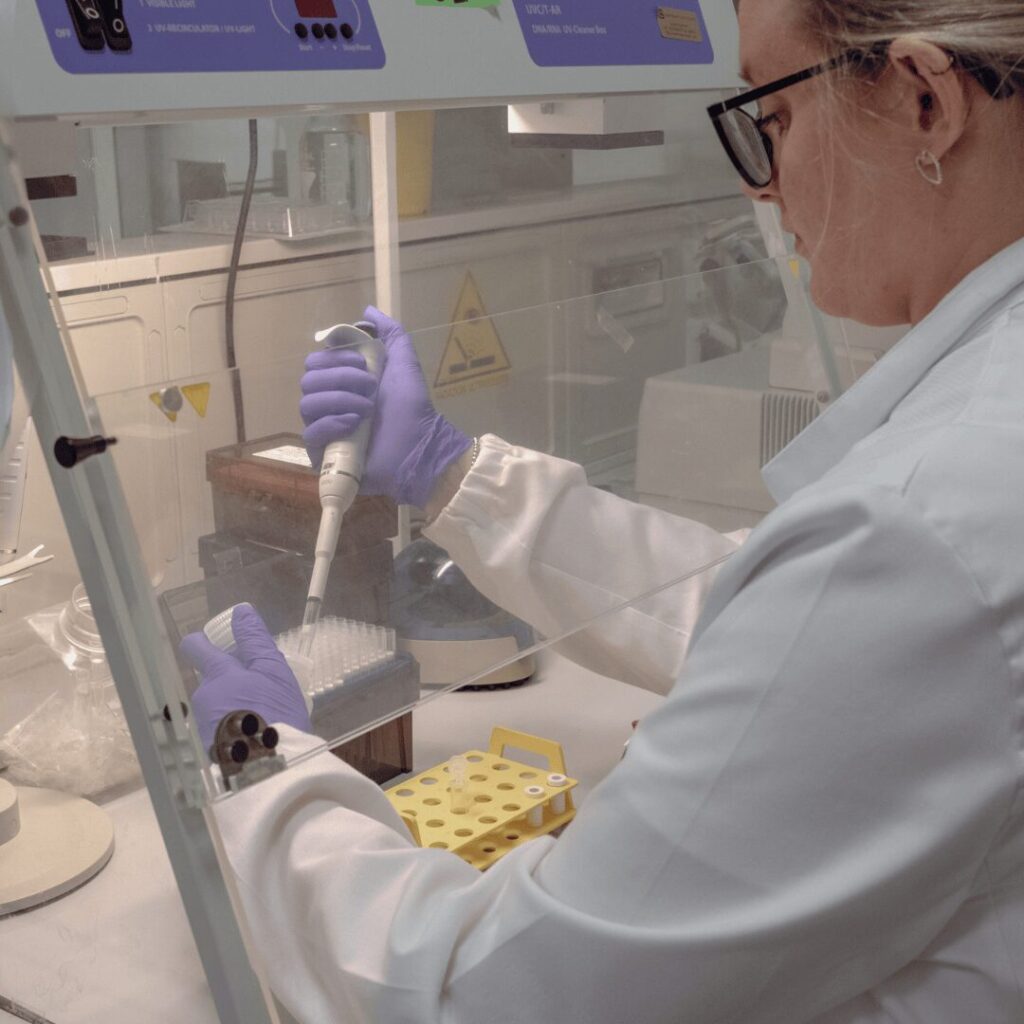
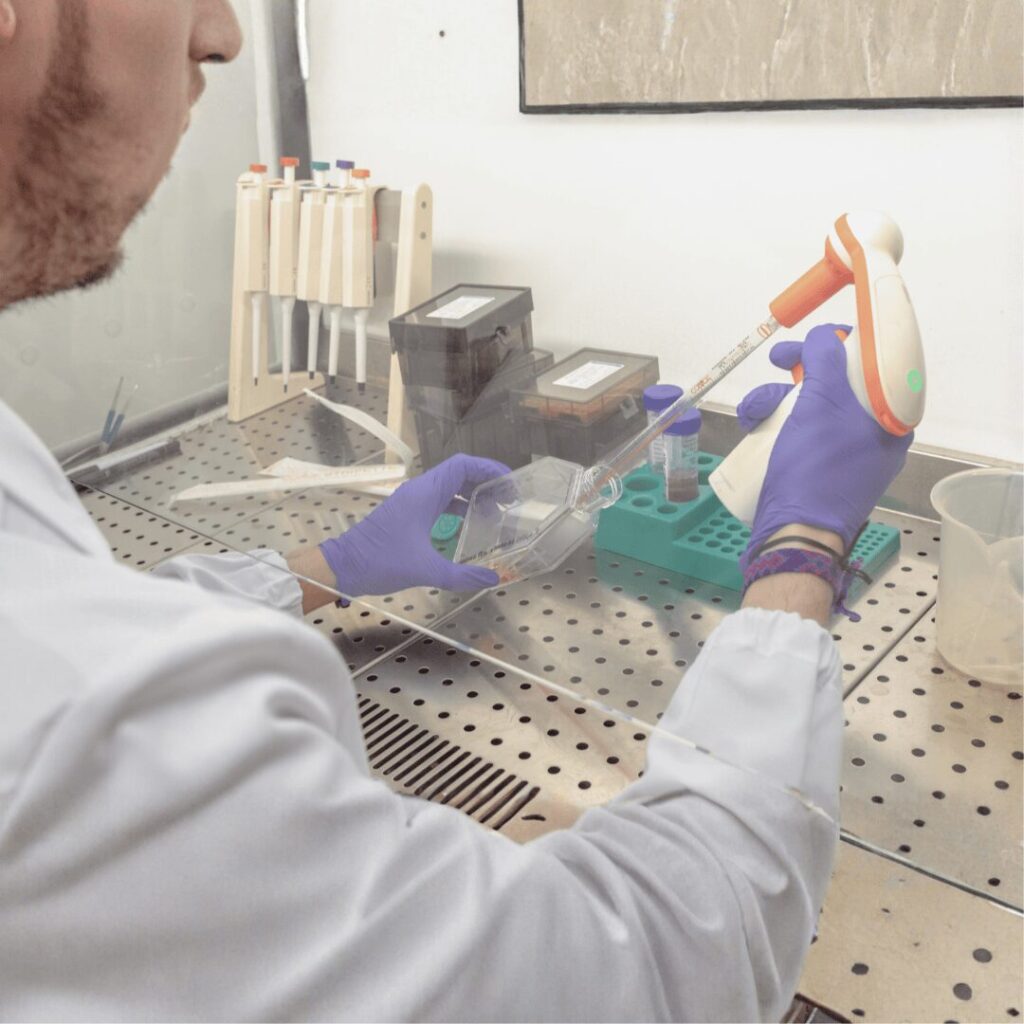
The project is in its preclinical stage. This means that testing in the lab is taking place before the project can proceed to clinical trials. The team is carefully studying how the modified stem cells behave, how safe they are and whether they can protect nerve cells effectively.
Through this project the team is conducting a range of experiments, from growing the cells in controlled lab environments to test how they interact with damaged nerve cells. By measuring how well the cells survive, integrate and perform their protective functions, the researchers can understand whether this therapy could work in people.
These careful steps help ensure that the therapy is as safe and effective as possible before it moves closer to clinical trials. ork promises to make a tangible difference in the daily lives of Australians living with MND.
Listening to patients and families
Marco and his team know that the people most affected by MND, patients and their families, have valuable insight into what research is needed most.
“I have always appreciated the genuine and active involvement of people living with MND and their families during international and national ALS/MND congresses. Sharing the results of our research at these events has provided us with valuable insights and feedback.”
By talking with patient groups and attending events worldwide, the team learns what challenges matter most to those living with MND. This helps the researchers make sure their work focuses on therapies that could truly improve quality of life, not just lab results. Staying connected to the patient community keeps the team motivated and grounded in the real-world impact of their research.
Looking ahead: Clinical trials and training
If the therapy proves successful, the next step will be partnering with clinical and commercial teams to start a clinical trial. Marco hopes this research will show that stem cell and gene therapies can help many forms of MND, giving more patients access to life-changing treatments.
The project also trains the next generation of MND researchers. Post-graduate and post-doctoral students work closely with Marco’s team, gaining hands-on experience in tackling one of the most challenging neurological diseases.
Inspired by mentors and patients
Marco’s journey into MND research began early, inspired by mentors and colleagues who encouraged him to think creatively and find new solutions.
“I am deeply grateful to all the mentors I have had the good fortune to meet throughout my career who introduced me to the MND field and stem cell research. I must thank all of them for the enthusiasm for research that they so generously shared.”
Over the years, Marco has also been inspired by the people living with MND and their families. Meeting them through patient associations showed him the real human side of the disease. Witnessing their strength motivates his team to work harder and ensures that the research always focuses on improving patients’ lives.
Marco envisions a future where doctors have stronger, long-lasting therapies and the tools to choose the right treatment for each patient. With continued support from organisations like FightMND, research like Marco’s brings us one step closer to turning hope into reality.
Funding breakthroughs to beat the Beast
In 2025, FightMND is investing $22.9 million into cutting-edge research and care initiatives, proudly supporting researchers like Associate Professor Marco Peviani, who is pioneering bold new approaches to treat MND. Marco’s work turning stem cells into protective nerve cells is just one example of the innovative projects funded this year to slow disease, improve care, and bring hope to people living with MND.
Your support makes this possible. Every Beanie purchased, Challenge 27 completed, DIY event hosted, or contribution made to Daniher’s Drive helps fund projects like Marco’s. Research that could one day transform treatment and change lives.
Learn more about the research your support is powering in our 2025 Cure and Care Investment Booklet, and see how together, we’re bringing the world closer to a future free from MND.