Tracking MND progression: How muscle biomarkers could change the fight against MND
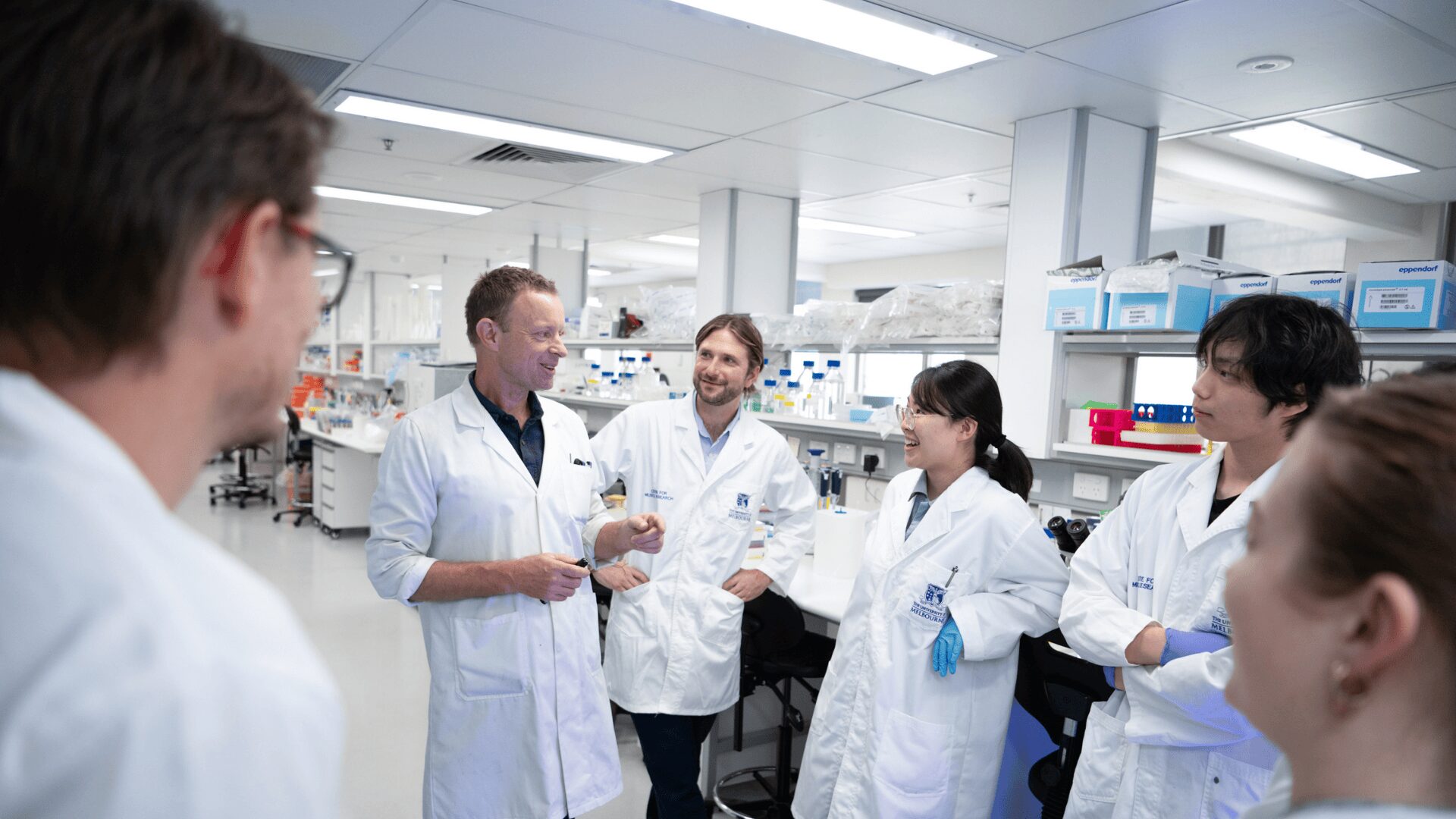
Every breakthrough in science starts with a question. For 2025 grant recipient, Professor Peter Crouch from the University of Melbourne, that question is simple, but powerful. How do we know when a treatment for motor neurone disease (MND) is really working?
For people living with MND, time is precious. Every sign of change matters. But the tools researchers currently use to measure whether a treatment is helping can be slow and uncertain. Peter wants to change that.
Looking to the muscles for answers
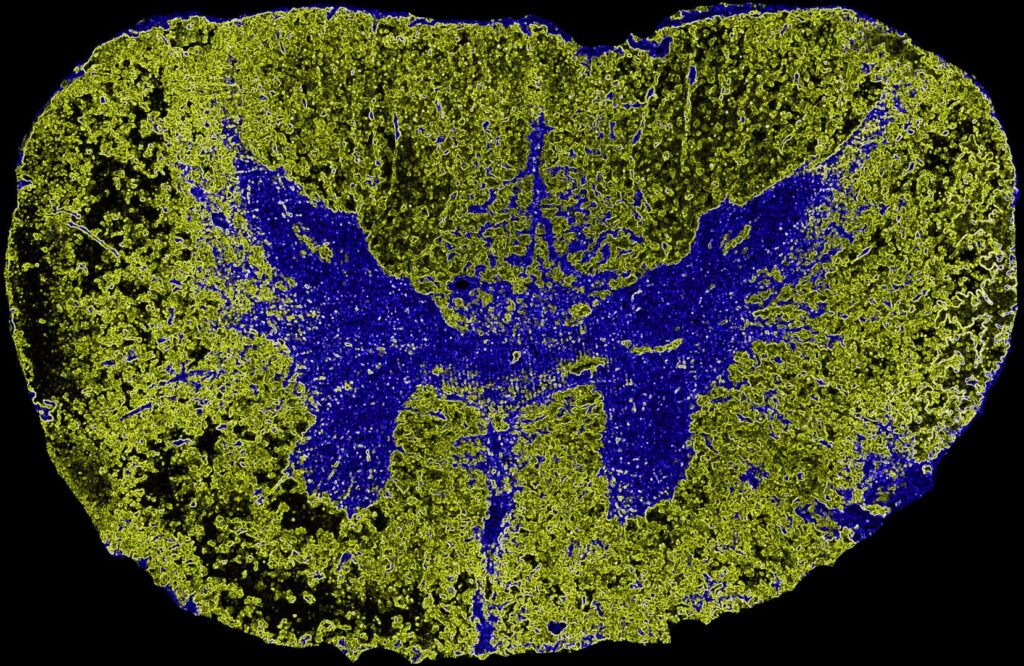
With the support of a FightMND IMPACT grant, Peter and his team are taking a new approach. Focusing not on the brain or nerves, but on the muscles that MND gradually weaken.
“Accurate assessment of the response to treatments associated with functional improvement is necessary for advancing the development of new treatments for MND,” Peter explains.
His project is developing special biological markers, or biomarkers, in skeletal muscle that can act like signposts. Showing whether a treatment is improving strength and function.
“Our project aims to develop treatment response biomarkers that are directly associated with functional improvement,” he says.
A roadmap to real-world impact
Findings from the project have the potential to make a huge difference in how quickly researchers can tell if a new drug or treatment is effective. That means faster clinical trials, better results and more hope for people living with MND.
To reach this goal, Peter’s team is following a careful plan:
- Mapping how muscle proteins change as MND progresses in lab models.
- Identifying which proteins are the best indicators of treatment response.
- Testing those findings in real human muscle samples to prove their clinical value.
“It’s groundbreaking work and the implications could be global,” explains Peter. “If validated, we anticipate that muscle biomarkers will be included in future clinical trials assessing candidate treatments for MND.”
Staying connected to the MND community
While this project doesn’t directly involve people living with MND, for Peter, staying connected to the MND community is deeply important. He regularly attends conferences and events bringing scientists, clinicians and people with lived experience together.
“I have over the course of many years working in this field met many people living with MND,” he explains. “Every conversation has the same impact. I want to go back into the lab as quickly as possible to continue progress on our experiments. It’s incredibly inspiring when toiling away in the lab to know that there are so many people out there cheering us on.”
Looking to the future
For Peter, support from FightMND has made this project possible. “This is a new project that has no other funding support. Without support from FightMND this project would not be happening.”
Looking ahead, Peter hopes the discoveries from his lab will help doctors tailor treatments more precisely for each person.
“New tools to determine whether or not a particular drug is working for a person living with MND are needed,” he says. “I hope that our work will add to the toolbox that is currently used.”
Every experiment, every insight, brings the team closer to a future where people with MND can receive faster, more effective treatments and where every sign of progress can be measured with confidence and hope.
Investing in research to beat the Beast
The road to a cure for MND is long, but research like Professor Peter Crouch’s work on muscle biomarkers is bringing us closer every day. By developing new tools to track treatment response, his team is helping potential therapies be assessed faster and more accurately. Giving hope to people living with MND and their families.
In 2025, FightMND is investing $22.9 million into cutting-edge research and care initiatives, including projects like Peter’s.
Explore our 2025 Cure and Care Investment Booklet to learn more about the projects we’re funding this year.
Together, we can beat the Beast.